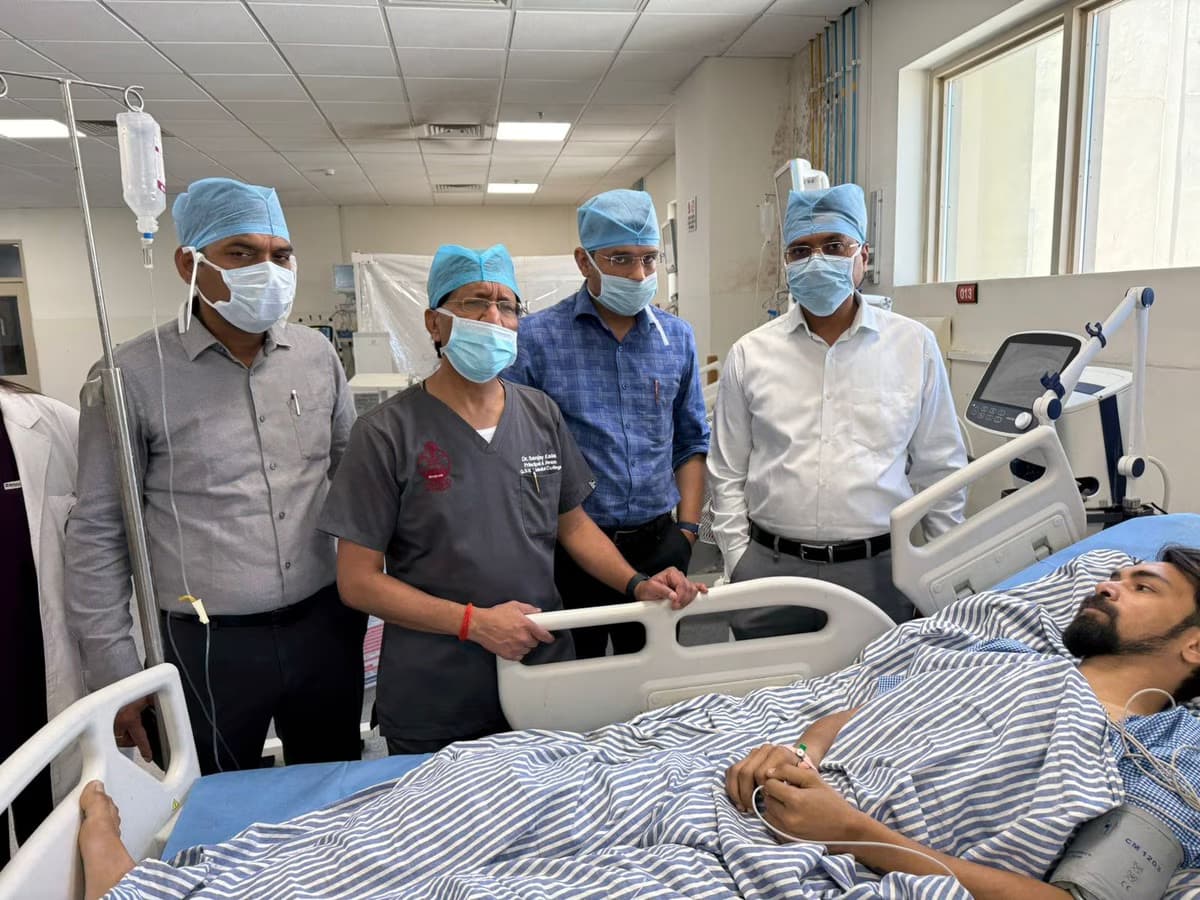
Introduction to a Desperate Situation
The case of Ayush Kumar, a 4th-semester MBA student from Samastipur, Bihar, has brought to light the dark underbelly of organ trafficking in India. Kumar's decision to sell his kidney to pay college fees and support his family after his father's suicide and loan rejections is a heartbreaking tale of desperation. The student was lured into this situation via a Telegram group, where the racket's kingpin, a Class VIII dropout, convinced him that living with one kidney was possible, citing examples of celebrities like Amitabh Bachchan.
The Organ Racket Exposed
The deal was initially made for ₹9 lakh, but was later reduced to ₹6 lakh. However, after the surgery, Kumar received only ₹3.5 lakh, leading him to approach the police for the remaining amount. This incident led to the exposure of a pan-India organ racket linked to hospitals in Lucknow, Noida, and Delhi. The Kanpur police arrested six individuals, including doctors and an Indian Medical Association (IMA) official, and sealed three hospitals. This bust has shed light on the widespread nature of organ trafficking in the country, where vulnerable individuals are exploited for their organs.
Context and Background
Organ trafficking is a significant problem in India, where the demand for organs far exceeds the supply. The country has a large number of patients waiting for transplants, and the illegal organ trade preys on this demand. The racketeers target vulnerable individuals, such as those in financial distress, and convince them to sell their organs. The case of Ayush Kumar highlights the need for stricter laws and regulations to prevent such exploitation. The government and medical authorities must work together to increase awareness about the risks of organ trafficking and provide support to those who are vulnerable to such exploitation.
Analysis and Conclusion
The exposure of the organ racket has significant implications for the healthcare system in India. It highlights the need for greater scrutiny of medical practices and the importance of ethical considerations in organ transplantation. The case of Ayush Kumar serves as a reminder of the desperation and deceit that can lead individuals to make drastic decisions. As the investigation continues, it is essential to ensure that those responsible are held accountable and that measures are taken to prevent such incidents in the future. The story of Ayush Kumar is a tragic reminder of the need for a more comprehensive and compassionate approach to addressing the financial and emotional struggles of individuals in need.