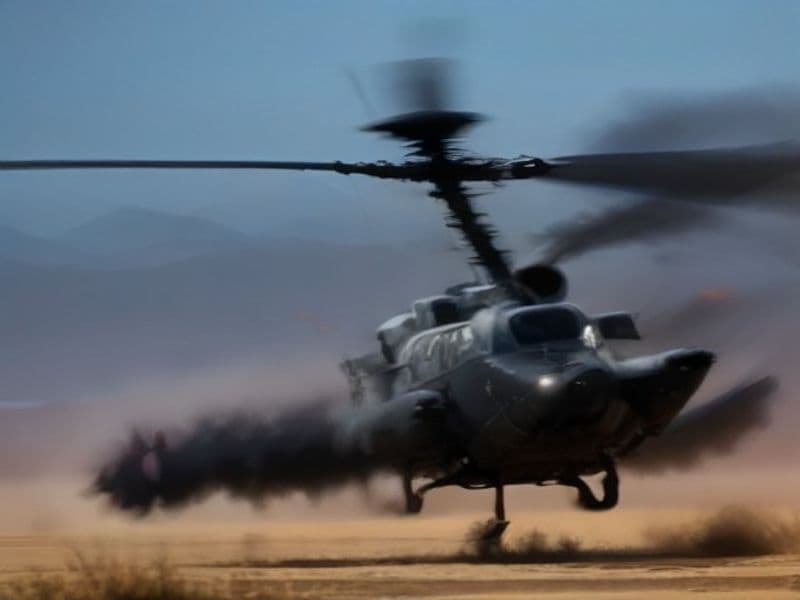
The recent fatal crash of a US Apache helicopter has raised fresh concerns over the aircraft's safety record, highlighting a disturbing trend of accidents involving the supposedly advanced combat helicopter. With a long history of service, the Apache has been a mainstay of the US military's arsenal, known for its cutting-edge capabilities and formidable firepower. However, a closer examination of its operational philosophy and incident history reveals a more complex picture, one that underscores the need for a critical reevaluation of the helicopter's design, training protocols, and deployment strategies. The latest incident serves as a stark reminder of the human cost of these accidents, and the imperative to address the underlying issues contributing to the Apache's troubled safety record. As the US Army grapples with the aftermath of this tragedy, it is clear that a comprehensive review of the helicopter's performance is long overdue.
Key Context & Background
The Apache helicopter's safety concerns are not a new development, but rather a longstanding issue that has been exacerbated by a combination of factors, including its complex design, high operational tempo, and the demanding nature of its combat missions. Since its introduction in the 1980s, the Apache has been involved in numerous incidents, resulting in significant aircraft losses and, more tragically, loss of life. The US Army's own data indicates that the Apache has a higher mishap rate compared to other helicopters, a statistic that is all the more alarming given the aircraft's critical role in modern warfare. Furthermore, the Apache's advanced capabilities, while undoubtedly enhancing its combat effectiveness, also introduce additional layers of complexity, which can increase the risk of human error and technical failures. As the military continues to rely on the Apache for a range of missions, from counterinsurgency to conventional warfare, it is essential to confront the historical and systemic factors contributing to its safety woes.
Broader Implications & Future Impact
The implications of the Apache's safety concerns extend far beyond the immediate context of the US military, with potential ripple effects on the global defense industry, international security, and the future of military aviation. As other nations seek to acquire or develop similar advanced helicopter capabilities, they will likely be forced to confront similar safety challenges, highlighting the need for a more nuanced understanding of the complex interplay between technology, training, and operational philosophy. Moreover, the Apache's troubles may also have significant budgetary and resource implications, as the US Army and other operators are compelled to invest in costly upgrades, modifications, and safety enhancements. In the medium to long term, the Apache's safety record may also influence the development of next-generation military helicopters, with a greater emphasis on designing aircraft that prioritize crew safety, survivability, and reliability. Ultimately, the fate of the Apache serves as a reminder that even the most advanced military technologies are only as effective as their ability to protect the lives of those who operate them.
Path Forward & Recommendations
In light of the Apache's persistent safety concerns, it is evident that a comprehensive and multifaceted approach is required to address the underlying issues. This may involve a thorough review of the helicopter's design and operational parameters, as well as a reexamination of training protocols and crew procedures. Additionally, the US Army and other operators may need to consider investing in emerging technologies, such as advanced autopilot systems, autonomous capabilities, and enhanced safety features, to mitigate the risk of human error and technical failures. By adopting a proactive and forward-thinking approach to safety, the military can help to reduce the risk of accidents, protect the lives of its personnel, and ensure that the Apache and other advanced helicopters continue to serve as effective and reliable assets on the battlefield. As the investigation into the recent fatal crash continues, it is clear that the path forward will require a sustained commitment to safety, transparency, and accountability, as well as a willingness to learn from the past and adapt to the evolving demands of modern warfare.