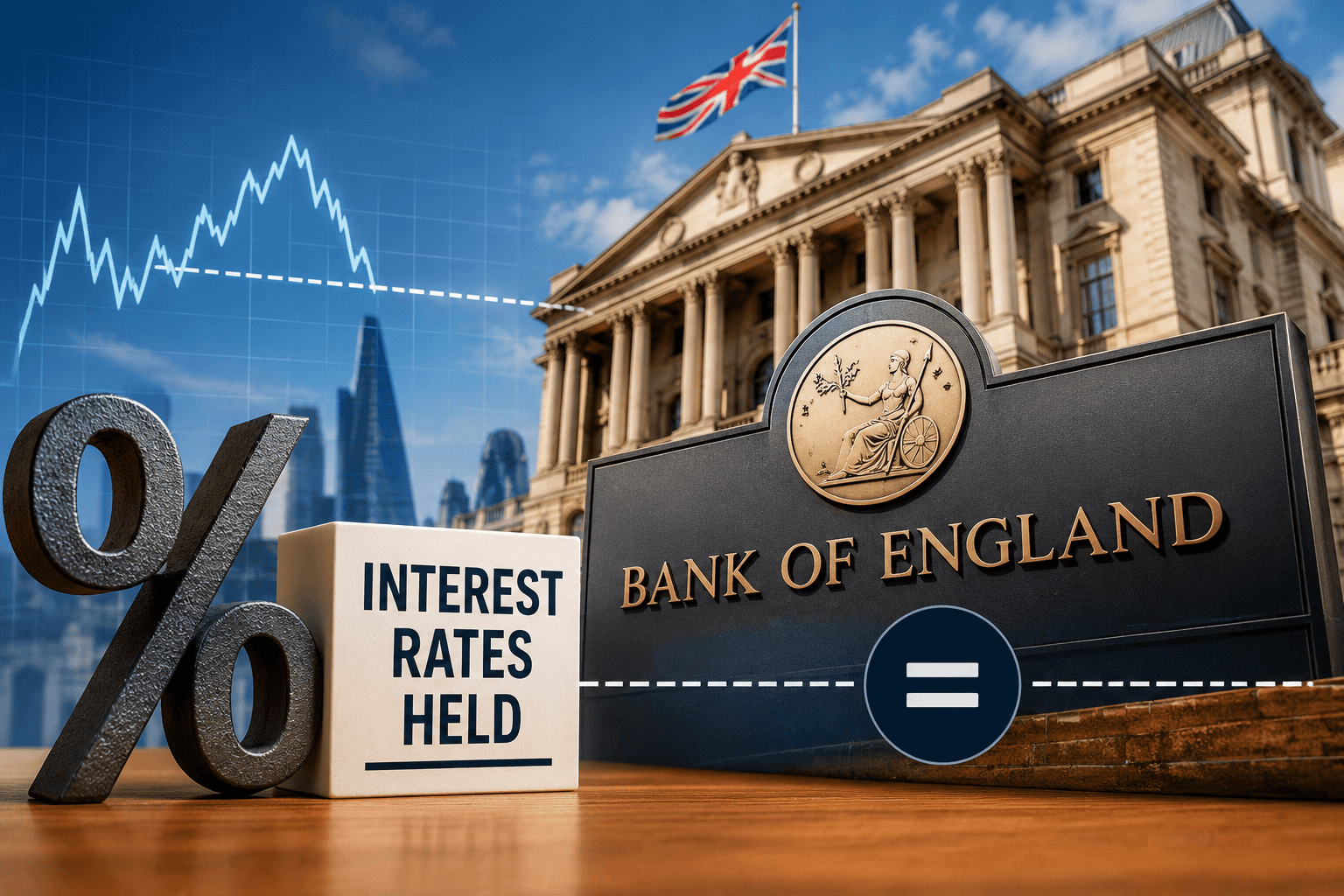
The Bank of England's decision to hold interest rates steady comes as a significant development in the country's economic landscape, particularly in light of the recent upheaval in the Middle East. This move is expected to have far-reaching implications for businesses, consumers, and the overall economy. The last interest rate cut occurred in December, and since then, the global economic scene has undergone notable shifts, with the Middle East instability being a major factor in the Bank's decision to pause further reductions. This pause suggests that the Bank is adopting a cautious approach, weighing the potential benefits of lower interest rates against the risks of increased inflation and economic uncertainty.
Key Context & BackgroundThe Bank of England's decision to hold interest rates is deeply rooted in the current global economic context. The Middle East upheaval has led to increased oil prices, which in turn has fueled concerns about inflation. Historically, the Bank has been vigilant about keeping inflation in check, and the current situation is no exception. The December interest rate cut was aimed at stimulating economic growth, but the subsequent geopolitical developments have forced the Bank to reassess its strategy. Furthermore, the Bank is also considering the impact of the UK's economic recovery, which, although slow, is showing signs of progress. The decision to hold interest rates reflects the Bank's effort to balance the need to support economic growth with the need to maintain price stability.
The interest rate decision is also influenced by the Bank's inflation targeting framework, which aims to keep inflation at 2% over the medium term. With the current inflation rate hovering around this target, the Bank is likely to be cautious about making any drastic changes to interest rates. Additionally, the Bank's Monetary Policy Committee (MPC) is also considering the impact of global economic trends, including the slowdown in major economies such as China and the United States. The MPC's decision to hold interest rates reflects its commitment to maintaining a stable monetary policy framework, even in the face of external uncertainties.
Broader Implications & Future ImpactThe decision to hold interest rates is expected to have significant implications for the UK economy and beyond. For consumers, this means that borrowing costs will remain relatively high, which could impact spending and consumption patterns. On the other hand, savers may welcome the decision, as it means that they can continue to earn relatively higher returns on their deposits. For businesses, the decision to hold interest rates could lead to increased costs, particularly for those with variable rate loans. However, it could also provide a degree of certainty and stability, allowing businesses to plan for the future with more confidence.
In the medium to long term, the Bank's decision to hold interest rates could have far-reaching consequences for the UK economy. It could lead to a slowdown in economic growth, as higher borrowing costs discourage consumption and investment. On the other hand, it could also help to keep inflation in check, which would be beneficial for the economy in the long run. The decision could also have implications for the UK's monetary policy framework, as it highlights the challenges of balancing competing economic objectives, such as growth, inflation, and financial stability. As the global economic landscape continues to evolve, the Bank's decision to hold interest rates will be closely watched, and its implications will be felt for months to come.