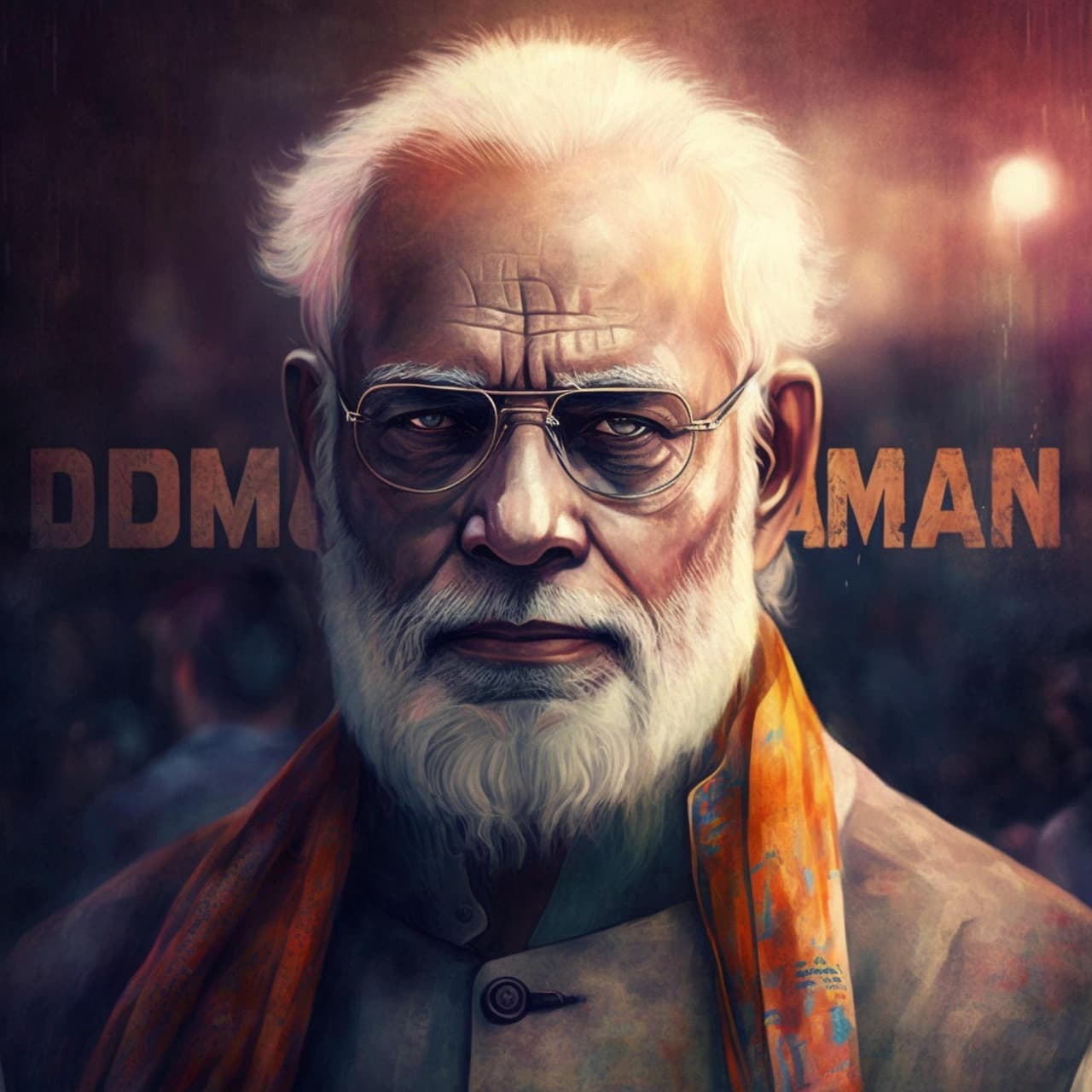
Indian Prime Minister Narendra Modi is advocating for a shift in the daily habits of his country's citizens, urging them to adopt a more frugal approach to their daily lives. As the conflict in Iran persists, Modi is promoting a range of austerity measures aimed at reducing India's reliance on foreign resources.
At the forefront of these measures is a call for Indians to work from home whenever possible, a move designed to decrease the nation's fuel consumption. By minimizing the need for daily commutes, the government hopes to lower the country's overall energy expenditure. This, in turn, is expected to have a positive impact on India's foreign exchange reserves, as less money will be spent on importing fuel.
Modi is also advising Indians to limit their foreign travel, as a means of further conserving the country's financial resources. By reducing the number of trips taken abroad, the government aims to decrease the outflow of foreign currency, thereby helping to stabilize the nation's economy.
The Indian government's decision to implement these austerity measures is a direct response to the ongoing turmoil in the Middle East, which has led to increased uncertainty in global energy markets. By taking proactive steps to reduce the country's fuel consumption and foreign exchange expenditure, Modi's administration is seeking to mitigate the potential economic impacts of the conflict.
As the situation in Iran continues to unfold, the Indian government remains vigilant, taking steps to protect the nation's economic interests. By promoting a culture of thriftiness and encouraging citizens to make conscious choices about their energy usage and travel habits, Modi hopes to navigate the country through these uncertain times, while also promoting a more sustainable and self-sufficient future for India. The success of these measures will depend on the willingness of Indians to adapt to these new guidelines and make significant changes to their daily lives.