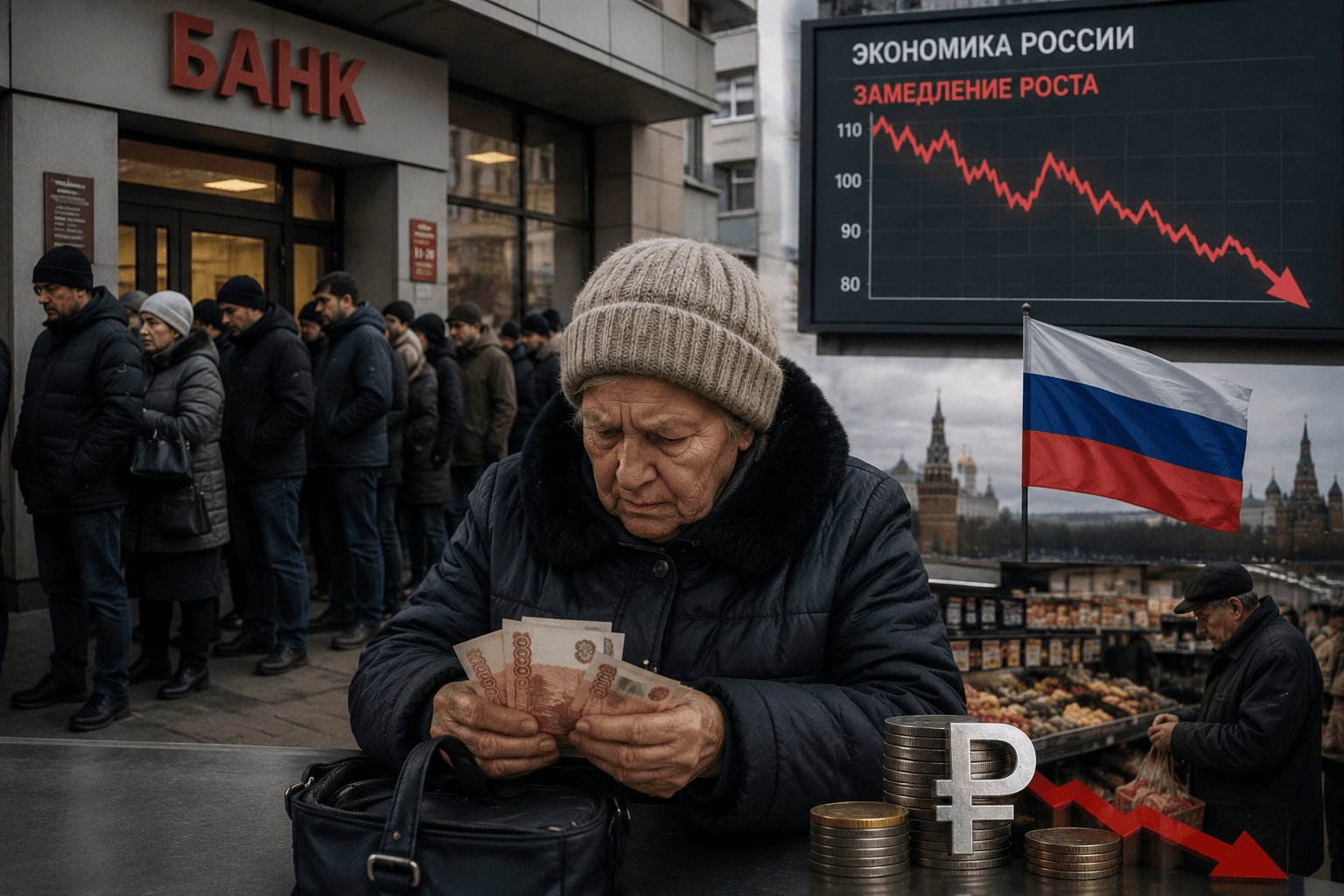
As the war between Russia and Ukraine drags on, the Russian economy is facing a new challenge: a shift towards cash-based transactions. This trend is being driven by the increasing frequency of mobile internet shutdowns, which are disrupting digital payment systems and forcing businesses and individuals to rely on traditional cash. The move to cash is also being fueled by a growing desire among businesses to avoid taxes, as the Russian government struggles to maintain a stable and functioning economy in the face of international sanctions and a prolonged conflict. The implications of this shift are far-reaching, and could have significant consequences for the Russian economy and society as a whole.
Key Context & BackgroundThe Russian economy has been under strain for several years, due to a combination of factors including international sanctions, a decline in oil prices, and the ongoing conflict with Ukraine. The country's economic growth has slowed significantly, and the government has been forced to implement austerity measures to try and stabilize the economy. The shift to cash-based transactions is a symptom of these broader economic problems, as businesses and individuals seek to avoid the risks and uncertainties associated with digital payment systems. The mobile internet shutdowns, which are often implemented by the government as a means of disrupting the activities of opposition groups and dissidents, are also playing a major role in driving the shift to cash. By disrupting digital payment systems, the shutdowns are forcing businesses to rely on traditional cash, which is more difficult to track and tax.
The historical context of the Russian economy is also important in understanding the current shift to cash. The country has a long history of informal economic activity, with many businesses operating outside of the formal economy and avoiding taxes. The current shift to cash is, in part, a return to these informal practices, as businesses seek to avoid the risks and costs associated with formal digital payment systems. The Russian government has also been criticized for its heavy-handed approach to economic management, which has driven many businesses underground and encouraged the use of cash and other informal payment systems.
Broader Implications & Future ImpactThe shift to cash-based transactions has significant implications for the Russian economy and society. In the short term, it could lead to a decline in tax revenues, as businesses and individuals seek to avoid paying taxes by using cash. This could further exacerbate the economic problems facing the country, and make it more difficult for the government to implement effective economic policies. In the medium term, the shift to cash could also lead to a decline in the use of digital payment systems, which could have negative consequences for the development of the country's financial sector. The lack of transparency and accountability associated with cash-based transactions could also encourage corruption and other forms of illicit activity.
The broader implications of the shift to cash also extend beyond the Russian economy, and could have significant consequences for the global financial system. The use of cash and other informal payment systems can make it more difficult to track and regulate financial transactions, which could increase the risk of money laundering and other forms of financial crime. The shift to cash could also have negative consequences for international trade and investment, as it could make it more difficult for foreign businesses to operate in Russia and for Russian businesses to access international markets. As the Russian economy continues to evolve and respond to the challenges posed by the war with Ukraine, it is likely that the shift to cash will remain an important trend, with significant implications for the country and the global financial system.