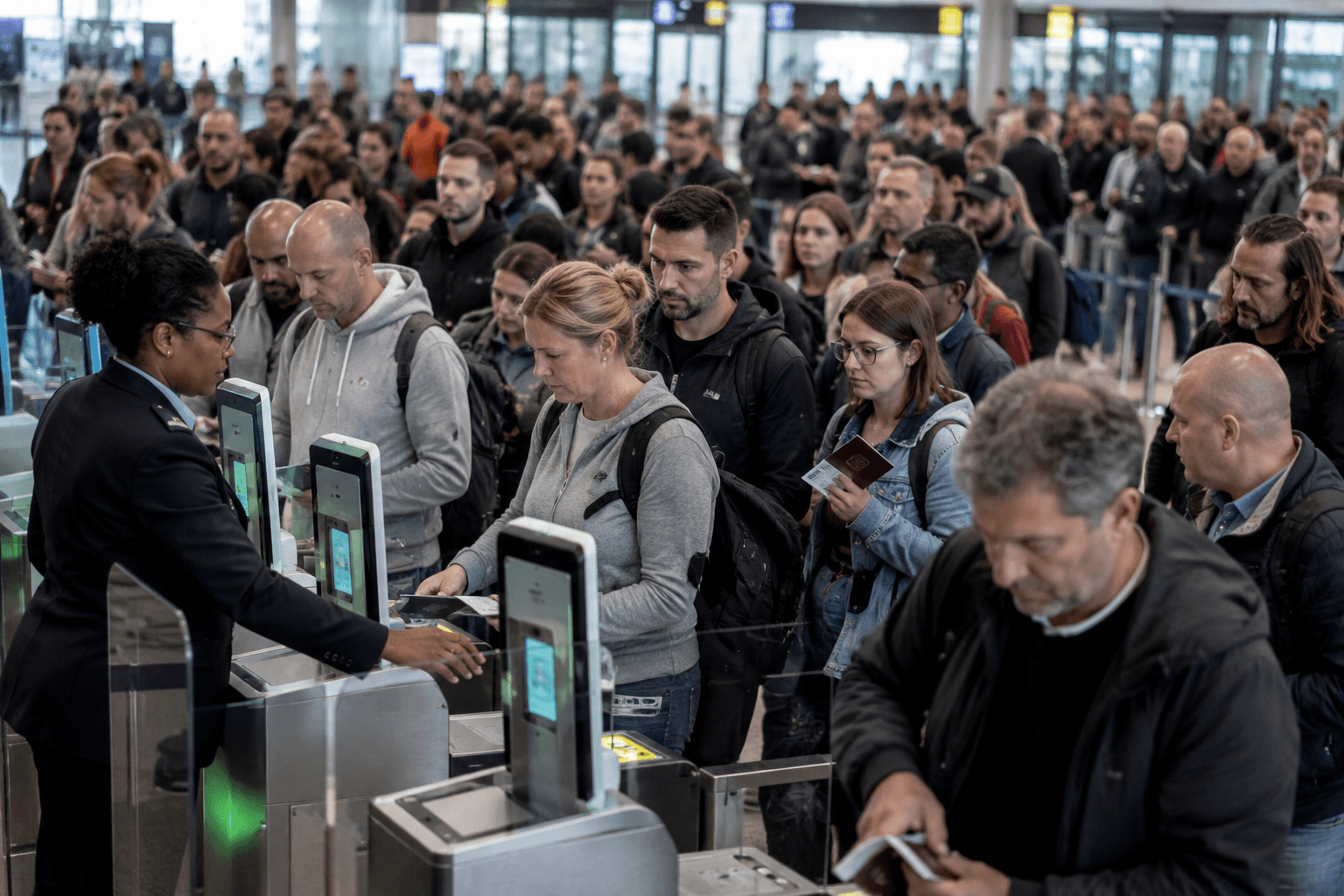
The upcoming implementation of the European Union's Entry/Exit System (EES) has sparked concern among airlines, with Ryanair being the latest to sound the alarm. The low-cost carrier has warned of "queue chaos" at European airports due to the new border system, which is set to launch in May. The EES is designed to track the entry and exit of non-EU nationals, but airlines fear it will lead to significant delays and disruptions during the peak summer travel season. Ryanair is calling on European governments to postpone the implementation of the EES until after the summer holiday period, citing the potential for chaos and gridlock at airport borders.
Key Context & BackgroundThe EES is a response to the EU's need to improve border security and track the movement of non-EU nationals. The system will require non-EU citizens to register their biometric data, including fingerprints and facial recognition, upon arrival in the EU. The data will then be stored in a central database, allowing authorities to track the length of stay and monitor potential security risks. While the EES is intended to enhance border security, airlines are concerned that the new system will add an extra layer of complexity to the already congested airport border control process. The EU has been working on the EES for several years, but the implementation has been delayed several times due to technical issues and concerns over data privacy. The current deadline for implementation is May, but with the summer travel season approaching, airlines are growing increasingly anxious about the potential impact on their operations.
The airline industry has been experiencing significant growth in recent years, with many European airports already operating at or near capacity. The addition of the EES will require significant investments in new technology and infrastructure, including biometric scanners and data storage systems. Airlines are concerned that the implementation of the EES will lead to increased wait times, missed flights, and frustrated passengers. The EU has assured airlines that the EES will be phased in gradually, with some airports implementing the system earlier than others. However, with the peak summer travel season fast approaching, airlines are urging the EU to reconsider the implementation timeline to avoid potential chaos.
Broader Implications & Future ImpactThe implementation of the EES has significant implications for the airline industry, as well as the broader European economy. The EU's tourism industry is a major contributor to the region's GDP, and any disruptions to air travel could have a ripple effect on the economy. The EES is also likely to impact the competitiveness of European airports, which are already facing significant challenges from other regions. The Middle East and Asia, in particular, have been investing heavily in airport infrastructure, and the EES could give them a competitive advantage if European airports are unable to handle the increased demands of the new system.
The EES also raises important questions about data privacy and security. The collection and storage of biometric data on a large scale is a significant concern, and there are fears that the data could be compromised or misused. The EU has assured citizens that the data will be stored securely and in accordance with EU data protection regulations. However, the risk of data breaches or cyber attacks is always present, and the EES will require significant investments in cybersecurity to protect the data. As the EU moves forward with the implementation of the EES, it will be important to balance the need for enhanced border security with the need to protect the rights and privacy of citizens.
In the medium to long term, the EES is likely to have a significant impact on the way airlines and airports operate. The system will require significant investments in new technology and infrastructure, and airlines will need to adapt their business models to accommodate the new requirements. The EES will also require closer cooperation between airlines, airports, and government agencies to ensure a smooth and efficient implementation. As the EU continues to evolve and respond to changing security threats, the EES will be an important tool in enhancing border security and protecting the safety of citizens. However, it will be crucial to address the concerns of airlines and citizens to ensure a successful implementation and minimize disruptions to air travel.