Introduction to the Crisis
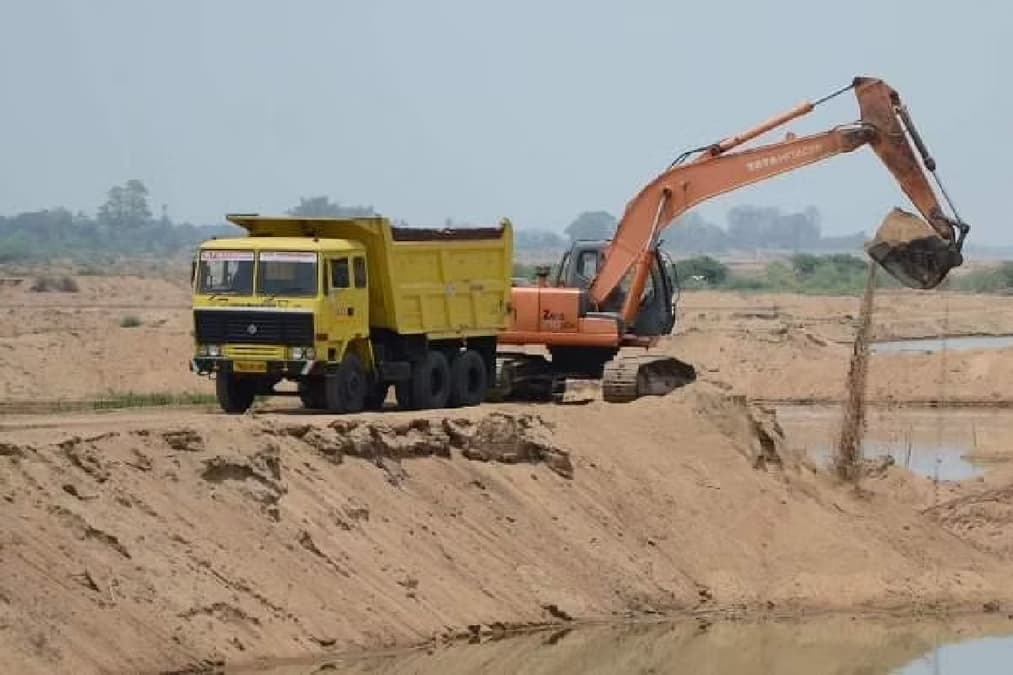
The Supreme Court of India has issued a stern warning to the states of Madhya Pradesh, Rajasthan, and Uttar Pradesh, threatening to deploy paramilitary forces to curb the rampant illegal mining activities within the National Chambal Gharial Sanctuary. This move comes as a response to the states' failure to effectively address the issue, despite the severe environmental and ecological consequences it poses. The sanctuary, a protected area spanning across the three states, is home to critically endangered species such as gharials and Gangetic river dolphins, whose habitats are being threatened by the unchecked mining activities.
Background and Context
The National Chambal Gharial Sanctuary, established in 1978, is one of the oldest and most significant wildlife sanctuaries in India. It is renowned for its diverse flora and fauna, including the endangered gharial, a species of crocodile found only in the Indian subcontinent. However, the sanctuary has been facing severe threats from illegal mining activities, particularly sand mining, which has been carried out with impunity by mining mafias. The lack of effective action from state authorities has exacerbated the issue, leading to the degradation of the ecosystem and the endangerment of the sanctuary's wildlife.
Court's Directive and Analysis
In its directive, the Supreme Court has ordered the installation of high-resolution, Wi-Fi-enabled CCTV cameras along mining routes and GPS tracking on all mining machinery on a pilot basis in Morena and Dholpur. This move is aimed at monitoring and regulating mining activities, as well as identifying and prosecuting those involved in illegal mining. The Court's decision highlights the gravity of the situation and the need for urgent action to protect the sanctuary and its inhabitants. The deployment of paramilitary forces, if necessary, underscores the Court's commitment to addressing the issue and ensuring the rule of law in the region.
Conclusion and Way Forward
The Supreme Court's warning to the states of Madhya Pradesh, Rajasthan, and Uttar Pradesh serves as a wake-up call for the authorities to take immediate and effective action against illegal mining activities in the National Chambal Gharial Sanctuary. The Court's directive provides a clear roadmap for the states to follow, and its willingness to deploy paramilitary forces, if necessary, demonstrates its resolve to protect the environment and wildlife. It is now up to the states to heed the Court's warning and take concrete steps to address the issue, ensuring the long-term conservation of the sanctuary and its inhabitants.