Iran-U.S. Tensions Escalate: Trump Orders Naval Blockade of Iranian Ports
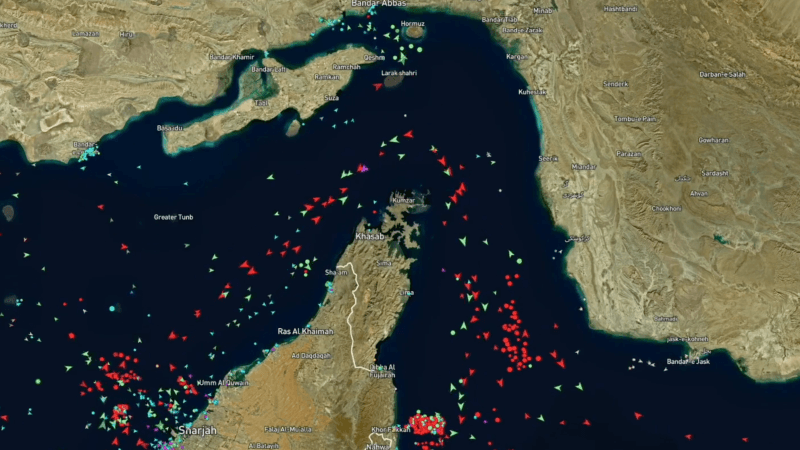
The United States has taken a drastic step in its ongoing conflict with Iran, ordering a maritime blockade of all Iranian ports. The blockade, which begins on Monday, April 13, at 10 a.m. ET (1400 GMT), targets vessels entering or leaving Iranian coastal areas in the Persian Gulf and Gulf of Oman. However, the U.S. will allow free navigation to non-Iranian ports, such as those in Saudi Arabia and the UAE.
Background: The Failed Peace Talks
The blockade comes on the heels of failed peace talks between the U.S. and Iran in Islamabad, Pakistan. The talks, which began in February, aimed to address concerns over Iran's nuclear program and regional security. However, the negotiations broke down, and the U.S. has since announced its intention to take more aggressive measures to curb Iran's nuclear ambitions and what President Trump calls "world extortion."
The Blockade's Impact: China and the Shadow Trade
The U.S. blockade is expected to have a significant impact on China, which is the largest buyer of Iranian crude oil. China's involvement in the "shadow trade" – a network of clandestine transactions and sanctions evasion – has long been a point of contention between the U.S. and China. The U.S. aims to disrupt this network by restricting Iranian ports, making it more difficult for China to access Iranian oil.
Risks of Escalation: Iran's Response
The Iranian government has warned the U.S. that it cannot enforce control and threatens severe retaliation. The blockade could lead to a significant increase in tensions between the two nations, potentially escalating into a full-blown conflict. Iran's President Hassan Rouhani has stated that the U.S. will "never be able to control" Iranian ports, and that any attempts to do so will be met with "firm resistance." The U.S. has also warned of the potential for Iranian retaliation, including attacks on U.S. and coalition forces in the region.
International Reactions and Implications
The blockade has sparked a range of reactions from international leaders, with some expressing concern over the potential for escalation and others backing the U.S. move. The U.S. has also faced criticism from European allies, who argue that the blockade will only exacerbate the humanitarian crisis in Yemen and other parts of the region. The implications of the blockade are far-reaching, with significant economic, strategic, and diplomatic implications for the region and beyond.
Conclusion
The U.S. blockade of Iranian ports marks a significant escalation in the ongoing conflict between the two nations. While the U.S. aims to curb Iran's nuclear ambitions and disrupt its shadow trade, the blockade carries significant risks, including the potential for Iranian retaliation and a further destabilization of the region. As tensions continue to rise, the international community will be watching closely to see how events unfold.