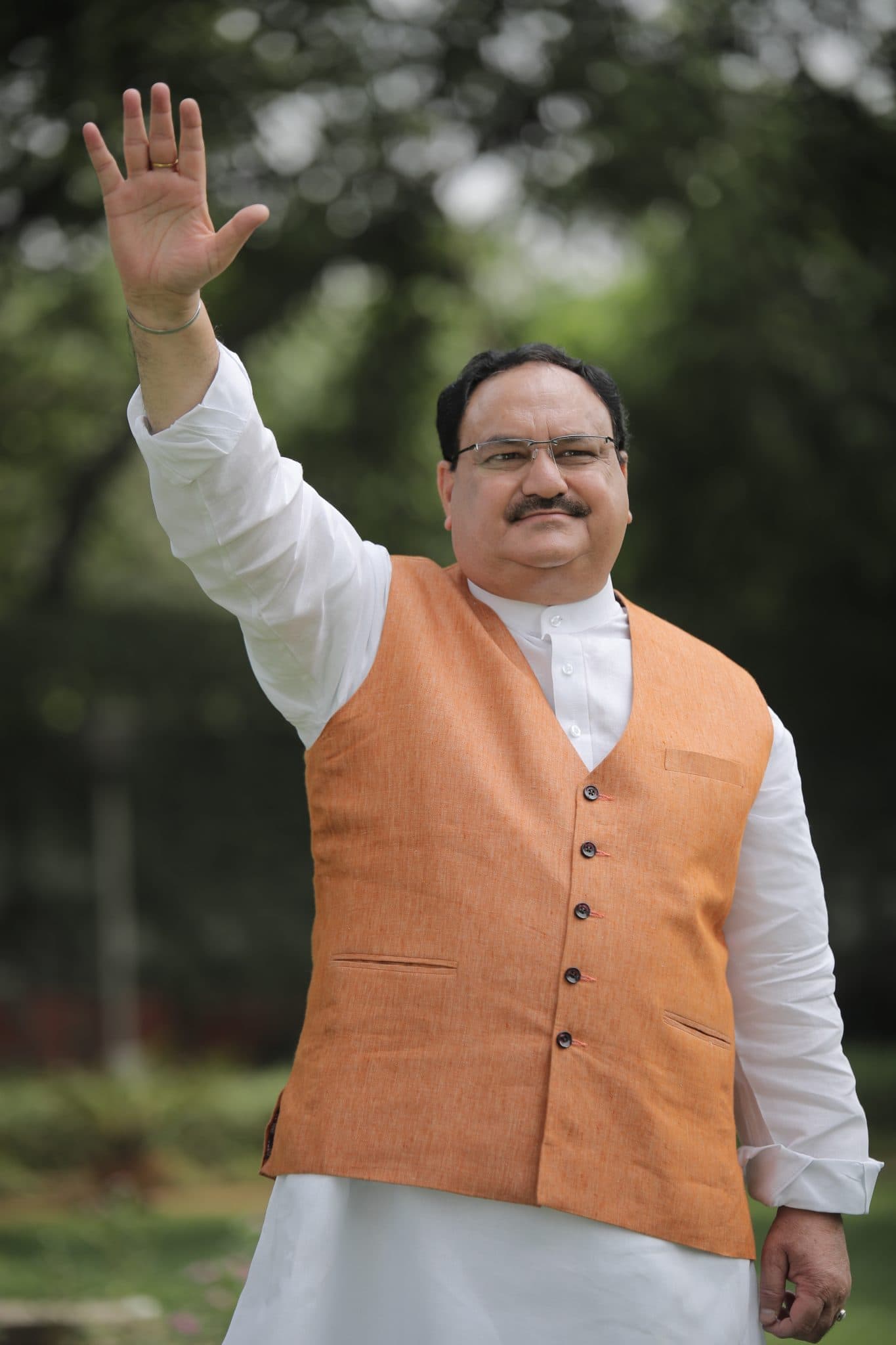
The sudden hospitalization of Union minister JP Nadda at AIIMS Delhi has sent ripples through India's political landscape, sparking concerns about the health and well-being of the country's top leaders. Nadda, a key figure in the Bharatiya Janata Party (BJP), was admitted to the hospital after experiencing uneasiness, prompting an outpouring of support and wishes for his speedy recovery from across the political spectrum. As the news broke, it highlighted the importance of the health and resilience of India's leaders, particularly during a time of significant challenges and transformations. The incident also underscores the need for transparency and accountability in the health and well-being of public figures, given their immense influence and responsibility. With Nadda's condition being closely monitored, the nation waits with bated breath for updates on his health, even as the BJP and the government continue to navigate the complexities of Indian politics.
Key Context & Background
The hospitalization of JP Nadda is not an isolated incident, but rather part of a larger narrative surrounding the health and well-being of India's top leaders. In recent years, several high-profile politicians have faced health issues, including former Prime Minister Manmohan Singh and BJP veteran LK Advani. These instances have raised questions about the demands and pressures of public life, particularly for individuals in their advanced years. The Indian political system, known for its grueling schedules and high-stakes decision-making, can take a significant toll on the physical and mental health of its leaders. Furthermore, the lack of transparency and accountability in the health and well-being of public figures has often led to speculation and rumors, underscoring the need for a more open and honest approach to addressing these issues. As India continues to navigate its complex and often fraught political landscape, the health and resilience of its leaders will remain a critical factor in shaping the country's future.
Broader Implications & Future Impact
The hospitalization of JP Nadda has significant implications for the BJP and the Indian government, particularly in the medium to long term. As a key figure in the party, Nadda's health and well-being will be closely watched, and any prolonged absence or diminution of his role could have far-reaching consequences for the BJP's internal dynamics and external relationships. Moreover, the incident highlights the need for a more nuanced and sustainable approach to leadership development and succession planning, particularly in the context of India's rapidly changing political landscape. As the country continues to grapple with significant challenges, including economic growth, social inequality, and environmental sustainability, the health and resilience of its leaders will remain a critical factor in shaping the nation's future. In the coming months and years, the Indian government and the BJP will need to prioritize transparency, accountability, and leadership development, ensuring that the country's top leaders are equipped to navigate the complexities of the 21st century.
Looking Ahead
As JP Nadda recovers and the nation waits for updates on his health, the incident serves as a stark reminder of the importance of prioritizing the health and well-being of India's leaders. In the coming weeks and months, the BJP and the Indian government will need to navigate the complexities of leadership development, succession planning, and transparency, even as they address the significant challenges facing the nation. The hospitalization of Nadda has highlighted the need for a more nuanced and sustainable approach to leadership, one that prioritizes the health, resilience, and well-being of India's top leaders. As the country looks to the future, it is clear that the health and resilience of its leaders will remain a critical factor in shaping the nation's trajectory, and it is imperative that the Indian government and the BJP take a proactive and transparent approach to addressing these issues. By doing so, they can ensure that the country's top leaders are equipped to navigate the complexities of the 21st century, and that India can continue to thrive and grow in the years to come.