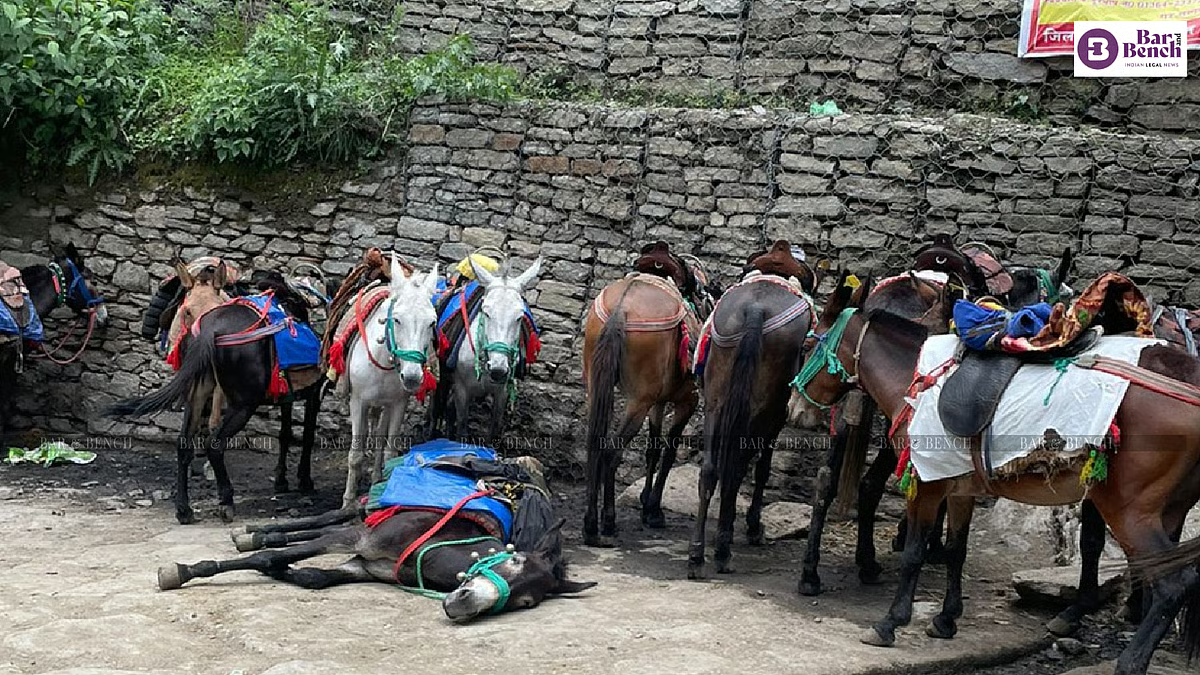
Introduction to the Char Dham Yatra and Animal Cruelty Concerns
The Char Dham Yatra, a significant pilgrimage in the Uttarakhand region of India, attracts millions of devotees every year. However, the increasing footfall has raised concerns about animal cruelty and environmental degradation. A recent order by the Uttarakhand High Court aims to address these issues by directing the state government to revise the Standard Operating Procedures (SOPs) to better protect animals during the pilgrimage.
Background and Previous Efforts
The Uttarakhand High Court's division bench, led by Chief Justice Manoj Kumar Gupta, has been proactive in addressing the concerns of animal cruelty and environmental damage during the Char Dham Yatra. The court's order is a response to petitions filed by social workers, including Gauri Maulekhi, who highlighted the plight of horses and mules used by pilgrims. The petitioners argued that the rising number of pilgrims is straining resources and leading to environmental damage, emphasizing the need to regulate animal and pilgrim numbers based on the routes' actual carrying capacity.
Court's Directive and Expected Outcomes
The court has directed the state government to conduct a fresh review and amendment of the SOPs, with a specific focus on establishing dedicated veterinary hospitals along the yatra routes. This move is expected to provide immediate medical care for horses and mules, reducing the incidence of animal cruelty. The court has given the state government three weeks to develop a more robust framework, indicating that the existing guidelines are not being effectively implemented. While the state government claims that revised SOPs are already in place, the court's order suggests that these measures are insufficient to address the concerns of animal welfare and environmental protection.
Analysis and Future Implications
The Uttarakhand High Court's order is a significant step towards addressing the concerns of animal cruelty and environmental degradation during the Char Dham Yatra. The establishment of dedicated veterinary hospitals and the regulation of animal and pilgrim numbers are crucial measures to mitigate the impact of the pilgrimage on the environment and animal welfare. The court's directive also highlights the need for effective implementation of SOPs, ensuring that the guidelines are not just theoretical but are translated into practice. As the state government works to revise the SOPs, it is essential to involve stakeholders, including social workers, environmentalists, and local communities, to ensure that the measures are effective and sustainable in the long term.