Indian Students Stranded at Iran-Azerbaijan Border: A Crisis of Evacuation Delays
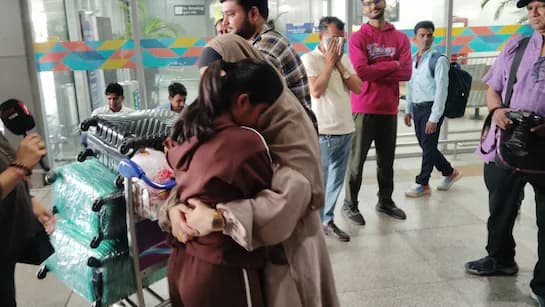
Over 200 Indian students, primarily from Jammu and Kashmir, are facing an uncertain and harrowing ordeal at the Astara border crossing between Iran and Azerbaijan. The situation unfolded as a result of the sudden closure of regional airspace, leading to the halt of commercial flights and disruption of standard evacuation routes. This has left the students stranded in a state of limbo, often referred to as "no-man's land," with limited access to basic necessities such as food, water, and medicine.
The situation has taken a toll on the students, who are braving freezing temperatures with little respite. While some groups have managed to cross into Armenia or Azerbaijan, many others remain stranded due to issues with visas and slow border clearances. The crisis has sparked concerns among families and student representatives, who are urging the Ministry of External Affairs (MEA) to expedite evacuation and provide immediate aid.
Context and Background
The Indian government has been actively engaged in evacuating its citizens from war-torn Ukraine and other crisis-hit regions. However, the sudden closure of airspace in the region has caught authorities off guard, leading to a delay in evacuation efforts. The MEA has been working closely with the Indian Embassy in Tehran and other diplomatic channels to facilitate the evacuation of Indian nationals.
The Astara border crossing, which connects Iran to Azerbaijan, has emerged as a critical point of evacuation for Indian students. The region has historically been a hub for trade and cultural exchange between the two countries. However, the current situation has highlighted the challenges of navigating complex visa regulations and border clearances in the region.
Analysis and Call to Action
The crisis at the Iran-Azerbaijan border underscores the need for more efficient evacuation procedures and contingency planning. The MEA must prioritize the safe and timely evacuation of Indian students, taking into account the unique challenges posed by the region's complex visa regulations and border clearances.
Families and student representatives are urging the MEA to provide immediate aid and support to the stranded students. This includes providing essential supplies such as food, water, and medicine, as well as facilitating communication between students and their families back home.
The Indian government must take swift action to address the concerns of the stranded students and their families. By doing so, it can demonstrate its commitment to the welfare and safety of its citizens, both domestically and abroad.