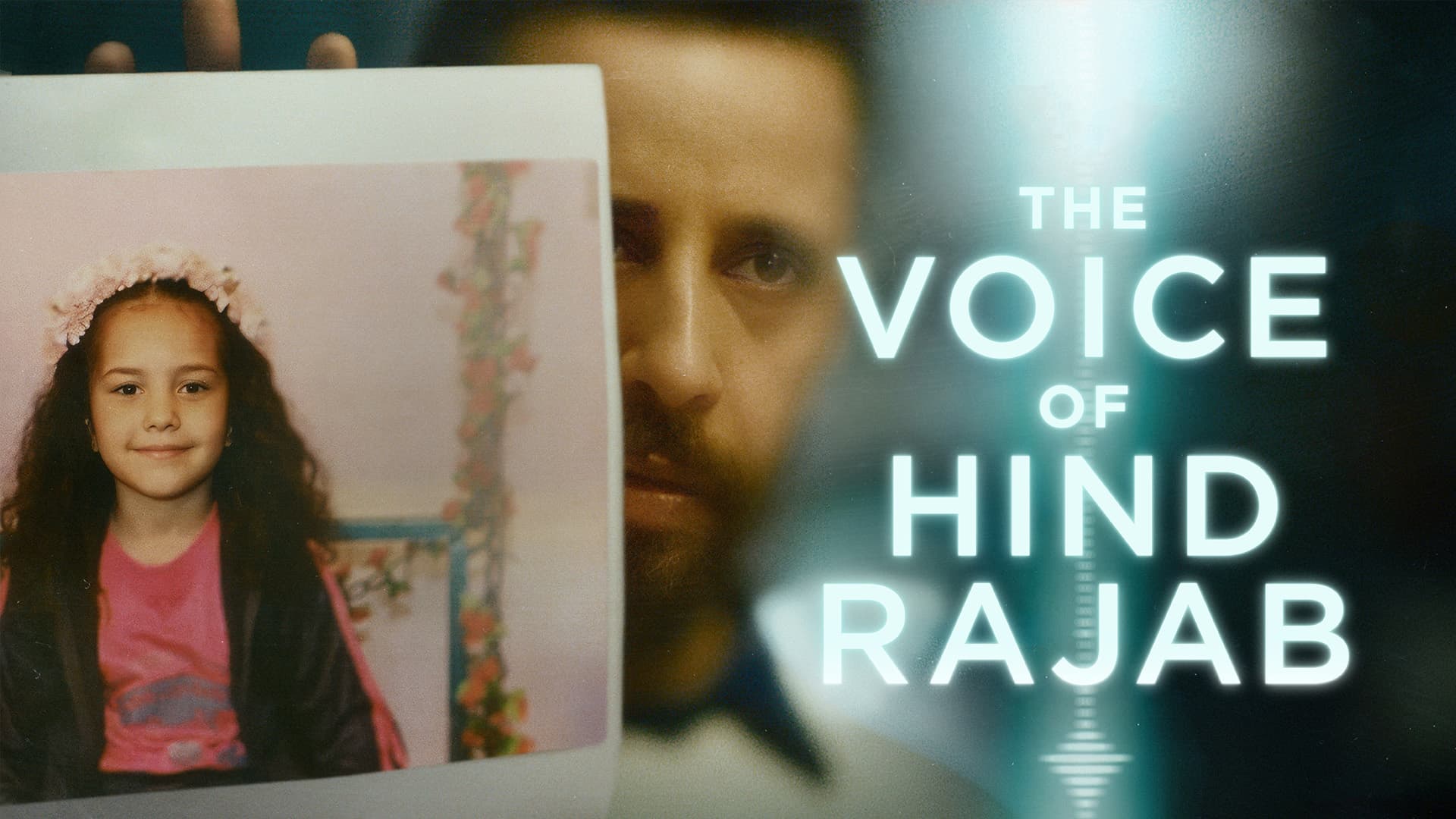
Indian Censors Block Oscar-Nominated Gaza Film Over Fears of Damaging Ties with Israel
The Central Board of Film Certification (CBFC) has stalled the theatrical release of The Voice of Hind Rajab, an Oscar-nominated docudrama directed by Kaouther Ben Hania. The film's Indian distributor, Manoj Nandwana, claims a CBFC member told him the movie could "break up" India-Israel relations if released.
Background: India-Israel Relations and Censorship Concerns
India and Israel have maintained diplomatic relations since 1992, with bilateral trade and cooperation in various sectors, including defense and technology. However, the relationship has been subject to fluctuations due to Israel's military actions in the Gaza Strip and India's concerns about Israel's human rights record.
The CBFC has a history of blocking films deemed sensitive or politically charged. Recent examples include the police procedural Santosh and the film Punjab 95. This move raises questions about the CBFC's role in shaping the nation's cultural discourse and its willingness to restrict artistic expression.
The Voice of Hind Rajab: A Powerful and Unflinching Account
The Voice of Hind Rajab is a docudrama based on the tragic death of 5-year-old Hind Rajab in January 2024. The film uses real audio from her panicked phone call to emergency operators while she was trapped under fire in Gaza City. This unflinching account of the child's final moments has resonated with audiences globally, earning the film critical acclaim and several prestigious awards, including the Grand Jury Prize at the Venice International Film Festival.
The Global Response: A Test for Indian Censors
The film has been released in the US, UK, France, and Italy, despite the CBFC's decision to block it in India. This move highlights the disconnect between India's censorship regime and the global film industry's increasing willingness to address sensitive topics. The blocking of The Voice of Hind Rajab raises questions about India's commitment to artistic freedom and its ability to engage with global cultural trends.
Conclusion: The Future of Indian Censorship
The decision to block The Voice of Hind Rajab reflects the CBFC's ongoing struggle to balance artistic expression with national security and diplomatic concerns. As India increasingly engages with the global film industry, the nation's censorship regime will face growing scrutiny. The fate of The Voice of Hind Rajab serves as a test of the CBFC's resolve to protect artistic freedom and its ability to navigate complex cultural and diplomatic issues.