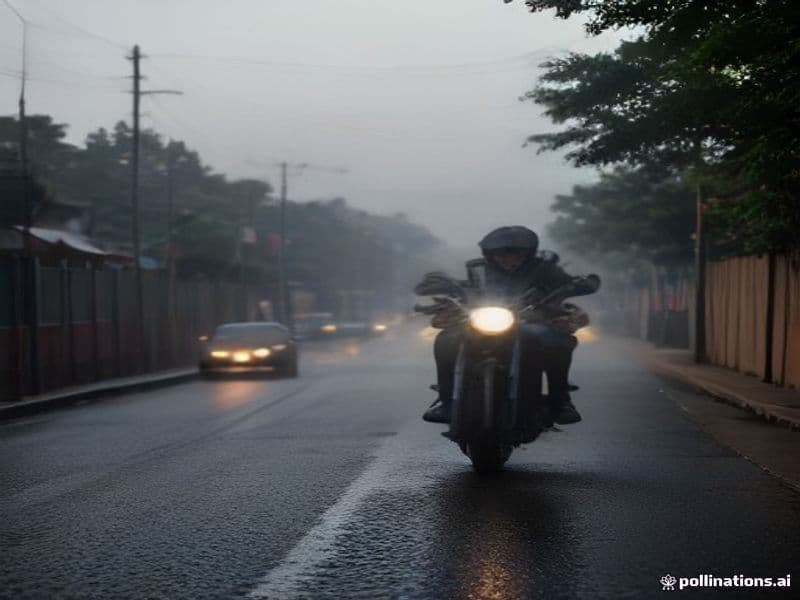
Bengaluru’s reputation as India’s “Silicon Valley” is now being tested by a growing mobility crisis. While the city boasts a temperate climate, a thriving tech ecosystem and a steady flow of high‑pay jobs, commuters are confronting longer, unpredictable journeys that erode productivity and quality of life. The expansion of Namma Metro and the reliance on BMTC buses have not kept pace with the surge in population and employment hubs, leaving last‑mile connectivity as a glaring blind spot in the urban transport puzzle.
Key Context & Background
Bengaluru’s meteoric rise began in the early 2000s, when multinational tech firms and home‑grown start‑ups converged on the city’s affordable real estate and English‑speaking talent pool. The resulting employment boom triggered a rapid, largely unplanned expansion of residential zones into the periphery, stretching the existing road network beyond its design capacity. Simultaneously, the city’s public‑transport infrastructure lagged; the BMTC bus fleet, though extensive, operates on fragmented routes that rarely intersect with new commercial districts, while the metro, inaugurated in 2011, has added only three lines in a decade.
Policy inertia compounded these physical constraints. Early urban‑planning frameworks prioritized IT parks over integrated transit corridors, and land‑acquisition hurdles slowed the rollout of new rail lines. Moreover, the rise of app‑based ride‑hailing services, while offering short‑term relief, intensified road congestion by adding thousands of private vehicles to already clogged arteries. The cumulative effect is a city where a 30‑kilometre commute can vary from 45 minutes to over two hours depending on the time of day.
Current Mobility Challenges
The most acute weakness lies in last‑mile connectivity. Metro stations are often situated several kilometres from residential clusters and office parks, with scant feeder services to bridge the gap. While BMTC has introduced “Metro Feeder” routes, they suffer from irregular frequencies and limited coverage, forcing commuters to rely on auto‑rickshaws or personal two‑wheelers—options that are both costly and environmentally unsustainable. In parallel, the city’s road network is plagued by bottlenecks at key junctions such as KR Puram and Silk Board, where traffic snarls routinely exceed three hours during peak periods.
Data from the Karnataka Transport Department shows a 12 % rise in average commute times between 2019 and 2023, outpacing national urban averages. The economic cost is palpable: firms report a 5 % dip in employee efficiency, while real‑estate prices in well‑connected neighbourhoods like Whitefield have surged, widening socio‑economic divides.
Broader Implications & Future Impact
If unaddressed, Bengaluru’s mobility deficit could undermine its competitive edge in the global tech arena. Talent retention hinges on livability, and prolonged, unreliable commutes are a decisive factor for professionals weighing offers between Bengaluru and emerging hubs like Hyderabad or Pune. Moreover, the city’s carbon footprint is set to swell; transportation accounts for nearly 40 % of its greenhouse‑gas emissions, threatening both national climate targets and local air‑quality standards.
The ripple effects extend to the informal sector as well. Auto‑rickshaw drivers and small‑scale bus operators, who constitute a sizable portion of the urban workforce, face income volatility as commuters shift to private vehicles or telecommuting. This could exacerbate income inequality and fuel informal‑sector unrest.
Policy Pathways & Strategic Outlook
Experts argue that a multimodal, data‑driven approach is essential. Integrating BMTC routes with metro schedules through a unified ticketing platform would streamline transfers and reduce dwell times. Expanding the metro’s footprint—particularly a north‑south corridor linking Whitefield, Electronic City and the upcoming Aerocity—could alleviate pressure on arterial roads. Simultaneously, investment in dedicated cycling lanes and micro‑mobility hubs would diversify travel options and cut reliance on motorised traffic.
The Karnataka government’s recent “Smart Mobility” blueprint hints at such a direction, proposing a city‑wide mobility‑as‑a‑service (MaaS) platform and incentivising electric‑vehicle adoption. However, implementation will require coordinated financing, transparent land‑acquisition processes and robust stakeholder engagement. The next five years will be decisive: a successful overhaul could cement Bengaluru’s status as a world‑class tech metropolis, while continued stagnation may relegate it to a cautionary tale of growth outpacing infrastructure.