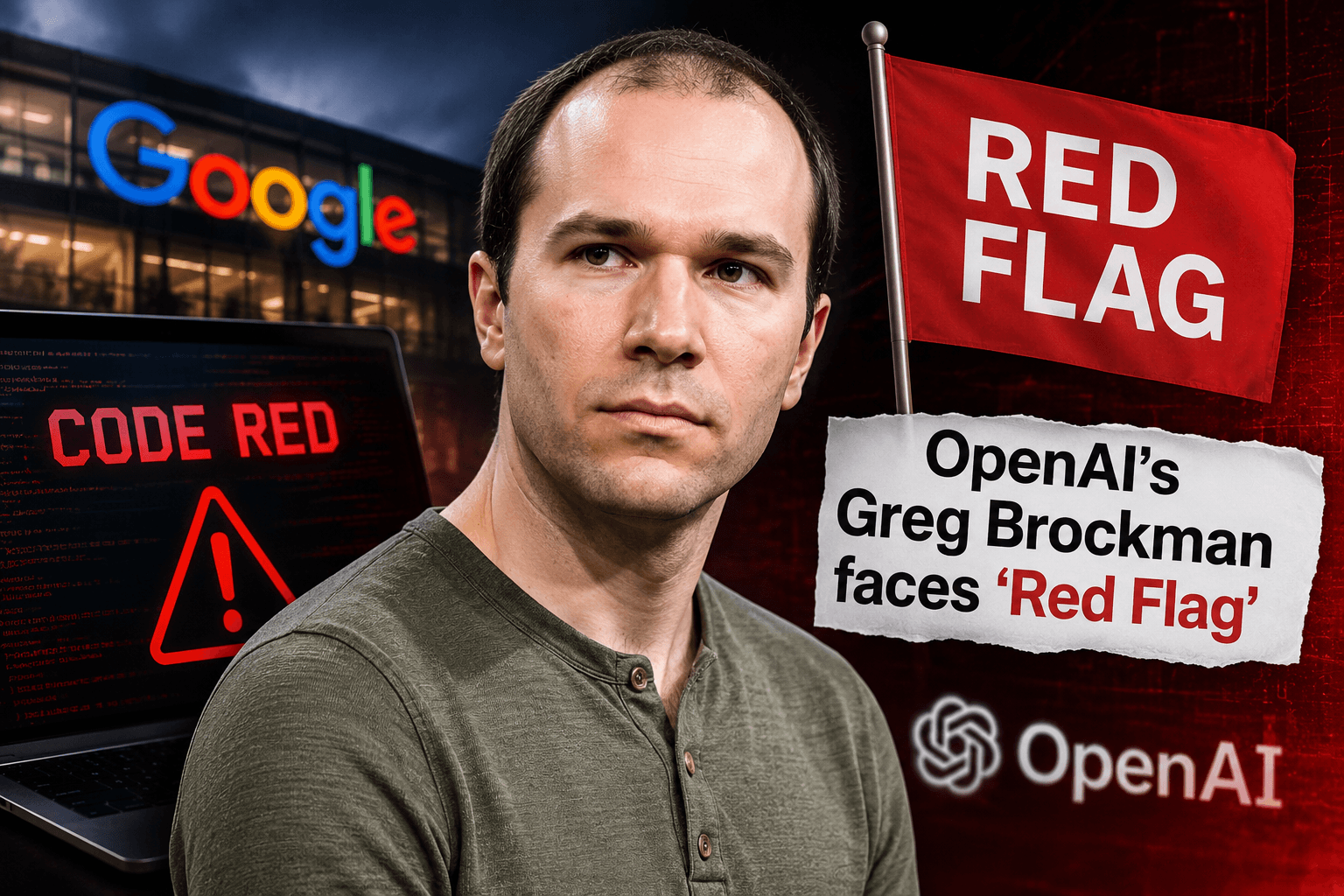
The recent upheaval in OpenAI's leadership has sent shockwaves throughout the tech industry, as the company's Chief Revenue Officer, Denise Dresser, and COO, Brad Lightcap, announced their resignations. This significant shift comes at a critical juncture for the artificial intelligence startup, which is poised to go public in the near future. The departures have sparked concerns among experts about the potential disruption to the company's internal dynamics and its ability to navigate the complexities of the public market. As co-founder Greg Brockman steps up to stabilize operations, the situation has raised questions about the company's future trajectory and its ability to maintain its competitive edge in the rapidly evolving AI landscape.
Key Context & Background
The sudden departure of key executives from OpenAI can be attributed to a combination of factors, including the intense pressure to deliver results in the lead-up to the company's initial public offering (IPO). The AI startup has been at the forefront of innovation in the field, with its ChatGPT model posing a significant challenge to established players like Google. The "Code Red" situation at Google, triggered by ChatGPT's impressive capabilities, has raised the stakes for OpenAI to demonstrate its commercial viability and ability to scale. Meanwhile, the company's leadership has been under scrutiny, with some experts pointing to the challenges of managing a rapidly growing organization with a strong focus on research and development. The resignations of Dresser and Lightcap may be a symptom of these underlying tensions, as the company struggles to balance its creative ambitions with the demands of the public market.
Broader Implications & Future Impact
The leadership shakeup at OpenAI has significant implications for the broader AI industry, as well as the company's future prospects. As the startup navigates the challenges of going public, it will need to demonstrate a clear vision for its commercial strategy and ability to execute on its ambitions. The departure of key executives may raise questions among investors about the company's stability and ability to deliver results. Furthermore, the situation highlights the intense competition in the AI space, where companies are under pressure to innovate and scale rapidly. The outcome of OpenAI's IPO and its subsequent performance will be closely watched by the industry, as it will set a precedent for other AI startups seeking to go public. Meanwhile, the company's co-founder, Greg Brockman, faces a daunting task in stabilizing operations and reassuring investors about the company's future prospects.
Industry Ramifications and Regulatory Scrutiny
As OpenAI navigates the complexities of its leadership transition, the company will also face increased regulatory scrutiny. The AI industry is under growing pressure to address concerns around bias, transparency, and accountability, and OpenAI's high-profile status makes it a prime target for regulatory attention. The company's ability to demonstrate a commitment to responsible AI development and deployment will be critical in maintaining public trust and avoiding potential backlash. Meanwhile, the industry as a whole will be watching the outcome of OpenAI's situation, as it will set a precedent for other AI startups and established players seeking to innovate and expand their offerings. The interplay between technological innovation, regulatory oversight, and commercial viability will be a key theme in the AI industry's development in the coming years, and OpenAI's experience will be a crucial case study in this regard.