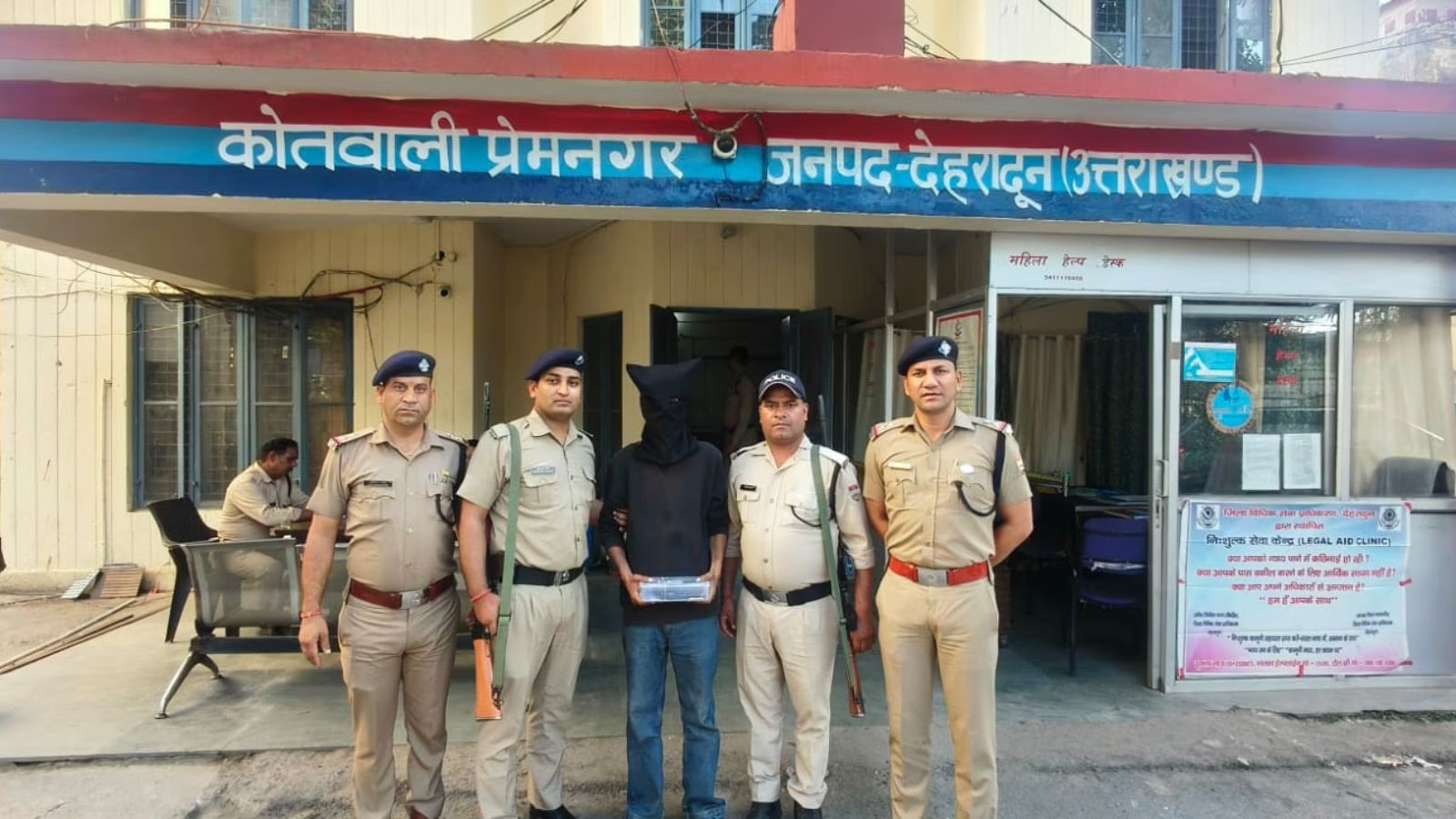
Dehradun Man Arrested for Pakistan-Linked Lone Wolf Terror Module
The recent arrest of 23-year-old Vikrant Kashyap, a garage worker in Dehradun, by the Uttarakhand Special Task Force (STF) has shed light on the growing threat of lone wolf terrorism in the region. According to investigations, Kashyap was allegedly involved in a "lone wolf" module managed by a Pakistan-linked terror outfit, Tehreek-e-Taliban Hindustan (TTH).
Kashyap's alleged involvement with TTH, a militant organization affiliated with the Pakistani Taliban, raises concerns about the potential for terrorist activities in the region. The TTH has been known to operate in India, particularly in the Kashmir Valley, and has been responsible for several attacks in the past. The fact that Kashyap was in constant contact with TTH handlers and was tasked with conducting reconnaissance and photographing sensitive military and public locations in Dehradun is a disturbing revelation.
The investigations have revealed that Kashyap was radicalized through encrypted messaging apps and social media platforms, receiving instructions to gather intelligence and prepare for potential disruptive activities in the region. This highlights the ease with which terrorist organizations can recruit and manipulate individuals, often using online platforms to spread their ideology and recruit new members.
The recovery of incriminating digital evidence and photographs of key installations from Kashyap's mobile devices has led to charges under the Unlawful Activities (Prevention) Act (UAPA). This is a significant development, as it underscores the importance of digital forensics in investigating terrorist activities and preventing potential attacks.
The Dehradun case is a reminder of the evolving nature of terrorism, which has transitioned from traditional hierarchical structures to more fluid and adaptable networks. Lone wolf terrorism, in particular, poses a significant challenge for law enforcement agencies, as it involves individuals acting independently, without clear organizational links.
To counter this threat, it is essential for law enforcement agencies to adopt a proactive and multi-faceted approach, including intelligence gathering, surveillance, and community outreach programs. Additionally, social media platforms and online companies must work together to identify and remove terrorist content and propaganda, and to prevent the radicalization of vulnerable individuals.
The Dehradun case serves as a wake-up call for the Indian authorities to remain vigilant and proactive in their efforts to prevent terrorist activities. It also highlights the need for a comprehensive national strategy to counter lone wolf terrorism, which includes addressing the root causes of radicalization and promoting community resilience and cohesion.