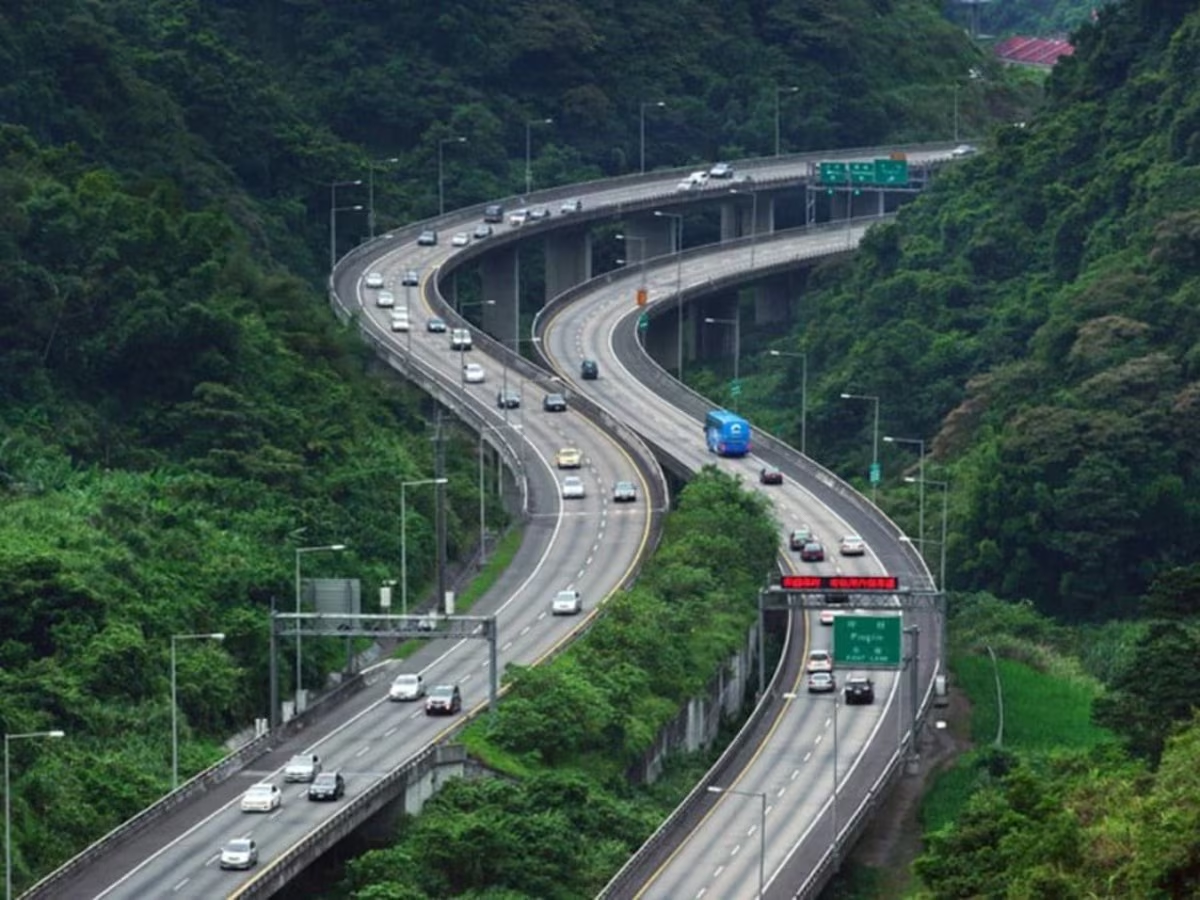
Delhi-Dehradun Expressway: High-Tech Electric Buses to Slash Fares Amid Concerns Over City Traffic Bottlenecks
The Uttarakhand Transport Corporation (UTC) is set to launch advanced electric buses on the Delhi–Dehradun Expressway, marking a significant step towards reducing traffic congestion and pollution in the region. These high-tech buses will not only offer a cheaper, eco-friendly alternative to Volvo services but also utilize the expressway's high-speed infrastructure to significantly reduce travel time between Delhi and Dehradun.
Travel Efficiency Gains
The Delhi–Dehradun Expressway, one of the most ambitious infrastructure projects in India, was built to improve connectivity between the two cities and reduce travel time. With a speed limit of 120 km/h, the expressway is designed to facilitate smooth and efficient travel. The introduction of high-tech electric buses will further enhance the travel experience, making it faster, more comfortable, and environmentally friendly. According to estimates, the buses will reduce travel time between Delhi and Dehradun to just 2 hours, a significant improvement over the current 4-5 hour journey.
The "Last Mile" Paradox
However, despite the significant gains in travel efficiency on the expressway, the "last mile" problem remains a major challenge. The congestion at Dehradun entry points can add another 2 hours to the journey, making the overall travel time a whopping 4-5 hours. This issue has been highlighted in viral videos and reports, showcasing the frustration of commuters stuck in traffic. The problem is not just a matter of traffic congestion but also a reflection of the city's inadequate infrastructure to handle the increasing volume of traffic.
Infrastructure Challenges
Experts warn that without improving city road capacity, the time saved on the expressway is lost in urban traffic bottlenecks. The Dehradun city infrastructure is still struggling to cope with the growing number of vehicles, and the situation is expected to worsen with the increasing demand for transportation. The UTC has plans to introduce more electric buses and improve the city's infrastructure, but it remains to be seen whether these efforts will be enough to address the underlying issues.
A Sustainable Future
The introduction of high-tech electric buses on the Delhi–Dehradun Expressway is a step in the right direction towards a sustainable future. Not only will the buses reduce pollution and greenhouse gas emissions but also provide a cheaper and more efficient alternative to traditional modes of transportation. However, to truly reap the benefits of this initiative, the city needs to address the underlying infrastructure challenges and improve its transportation systems to handle the increasing demand for transportation.