The court's response: preserve the evidence, then reply
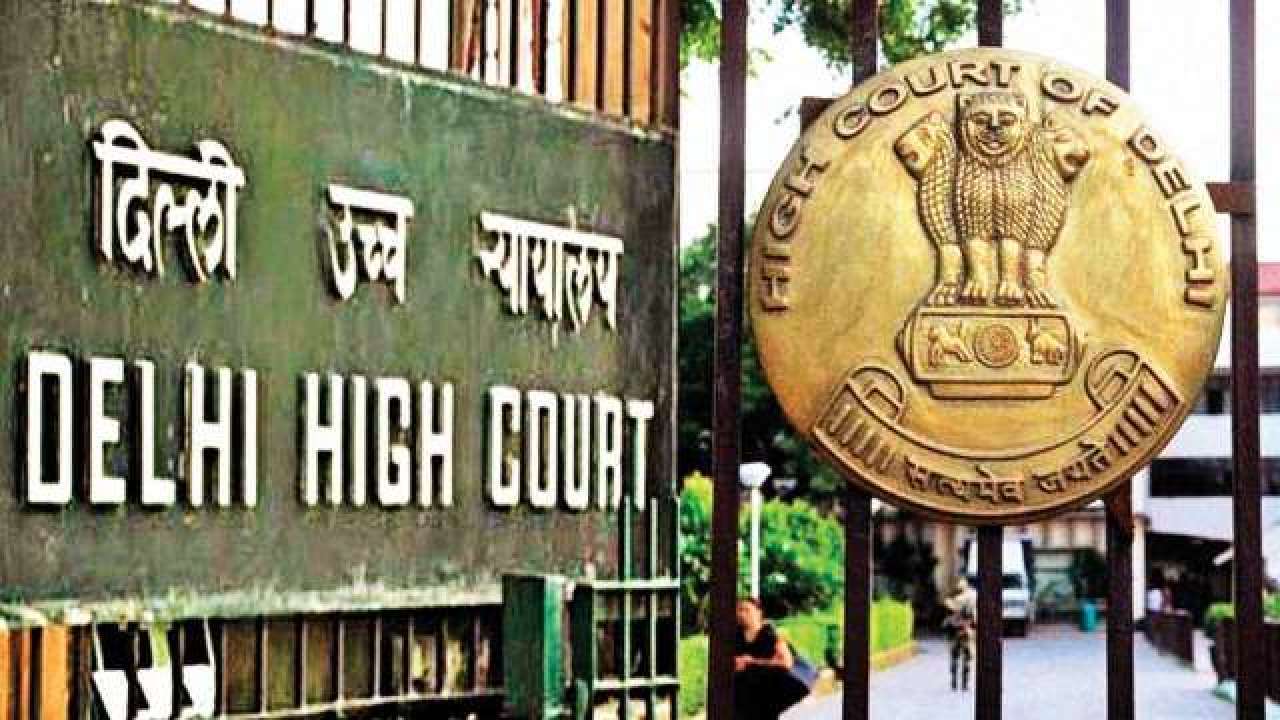
The Delhi High Court on July 22 issued notice to the Centre and Delhi Police on a batch of public interest litigations alleging excessive use of force during the Cockroach Janta Party's (CJP) July 20 "Sansad Chalo" march, directing that all CCTV footage, videography, PCR logs, and other records connected to the incident — including material related to the use of tear gas and batons — be preserved in line with standard operating procedures. A Division Bench of Chief Justice Devendra Kumar Upadhyaya and Justice Tejas Karia gave the authorities four weeks to respond and posted the matter for further hearing on September 11. Notably, the order came the same day the Supreme Court separately declined to urgently hear a related petition on the same issue, with Chief Justice of India Surya Kant telling a lawyer mentioning the matter, "Don't waste our time, and don't waste your time."
What the petitioners' lawyers argued
Three senior advocates appeared for the petitioners: N. Hariharan, Vikas Singh, and Gopal Sankaranarayanan. Hariharan told the court that protesting students had been peacefully exercising their constitutional rights under Articles 19 and 21, and alleged the police response amounted to "brutality of the highest order." He specifically alleged that "lathis with nails on them" were used to beat children, along with pellets and electric batons, and said more than 90 people had suffered injuries — arguing that no proper warning or proclamation was issued before force was used. He urged the court to order an independent probe, saying Delhi Police could not be expected to investigate allegations against its own personnel, and sought FIRs against officers identified in video evidence.
Vikas Singh argued that despite the crowd's size on July 20, the assembly had remained peaceful throughout, and that authorities themselves had not claimed the protest turned violent before force was used. He alleged that police personnel, joined by others in plain clothes, attacked protesters without provocation, and that no prohibitory order under BNS Section 163 (the successor to the erstwhile Section 144 CrPC) had been properly communicated, nor had a magistrate been present at the site as required. Gopal Sankaranarayanan told the court his team had examined roughly 130 videos of the incident, and alleged several individuals seen using force were neither in police uniform nor wearing identification badges. Citing one video specifically, he alleged it showed Additional DCP Sandeep Lamba slapping a woman protester, and asked the court to hold Lamba accountable.
The government's response
Additional Solicitor General S.V. Raju, appearing for the Centre and Delhi Police, argued that police personnel were also injured during the incident and that police vehicles were seriously damaged — pointing to this as evidence the protest was not entirely peaceful. Delhi Police has separately and specifically denied social media claims that its personnel used pellet guns against protesters, calling those claims false and misleading.
Why the court didn't dismiss it outright
In agreeing to seek a formal response rather than directing individual complainants to file separate cases, the bench specifically noted that the allegations raised in the petitions did not concern "isolated" incidents that could be addressed one complaint at a time — a framing that effectively acknowledged the scale and public significance of what's being alleged, even as the court stopped short of ordering an SIT probe at this preliminary stage. The court also reviewed some of the video evidence submitted by the petitioners during the hearing.
Two courts, two tracks, same day
The contrast between the Supreme Court's brisk dismissal and the High Court's decision to formally engage with the same underlying allegations — on the very same day — has itself become part of the story, with the CJI's "don't waste our time" remark drawing attention alongside the High Court's more measured, evidence-preservation-first approach. With the government's formal response not due for four weeks, the more substantive legal reckoning on what actually happened on July 20 will not begin in earnest until the case returns to court on September 11.