Delhi Riots Hearing: SC Weighs Bail Pleas Amid Claims of Pre-Planned Violence
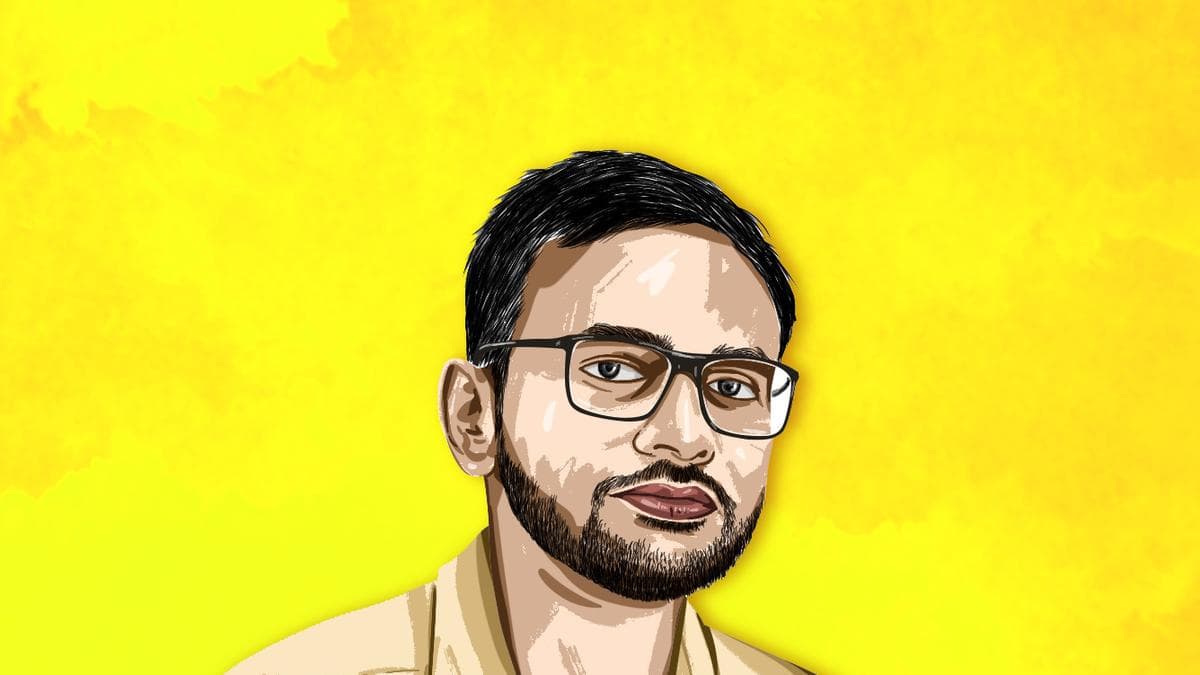
The Supreme Court of India recently heard the bail petitions of several individuals, including Umar Khalid and Sharjeel Imam, who are accused of involvement in the 2020 Northeast Delhi riots. The Delhi Police, represented by Solicitor General Tushar Mehta and Additional Solicitor General S.V. Raju, argued that the violence was not a spontaneous outburst but rather a "pre-planned" event. This assertion is crucial in understanding the police's stance against granting bail to the accused.
The 2020 Northeast Delhi riots resulted in significant loss of life and property, with widespread violence reported across several districts. The Delhi Police have been investigating the matter, and their claims of pre-planned violence suggest a level of organization and intent among the accused. The police also pointed out that the accused had attempted to delay the trial by obstructing the framing of charges, which, according to them, should not be considered grounds for granting bail. This argument highlights the complexities of the case and the challenges faced by the judiciary in balancing the rights of the accused with the need to ensure justice for the victims.
Arguments and Counterarguments
Senior advocate Sanjeev Luthera, representing Shadab Ahmad, argued that participating in protests is not a criminal act. Ahmad, who was arrested on April 6, 2020, and later booked under the Unlawful Activities (Prevention) Act (UAPA), is one of the many individuals whose bail pleas are being considered by the Supreme Court. The UAPA is a stringent law that deals with activities that threaten the sovereignty and integrity of India, and its application in such cases is often subject to scrutiny. The argument that organizing or taking part in protests is not a criminal act raises important questions about the limits of free speech and the right to assemble peacefully in India.
The Supreme Court's decision on the bail pleas will have significant implications for the accused, the victims of the riots, and the broader discourse on freedom of speech and assembly in India. As the court weighs the arguments presented by both the prosecution and the defense, it must carefully consider the evidence and the context in which the riots took place. The hearing highlights the complexities of balancing individual rights with the need to maintain public order and ensure justice for victims of violence.