A Miraculous Survival on Mount Everest
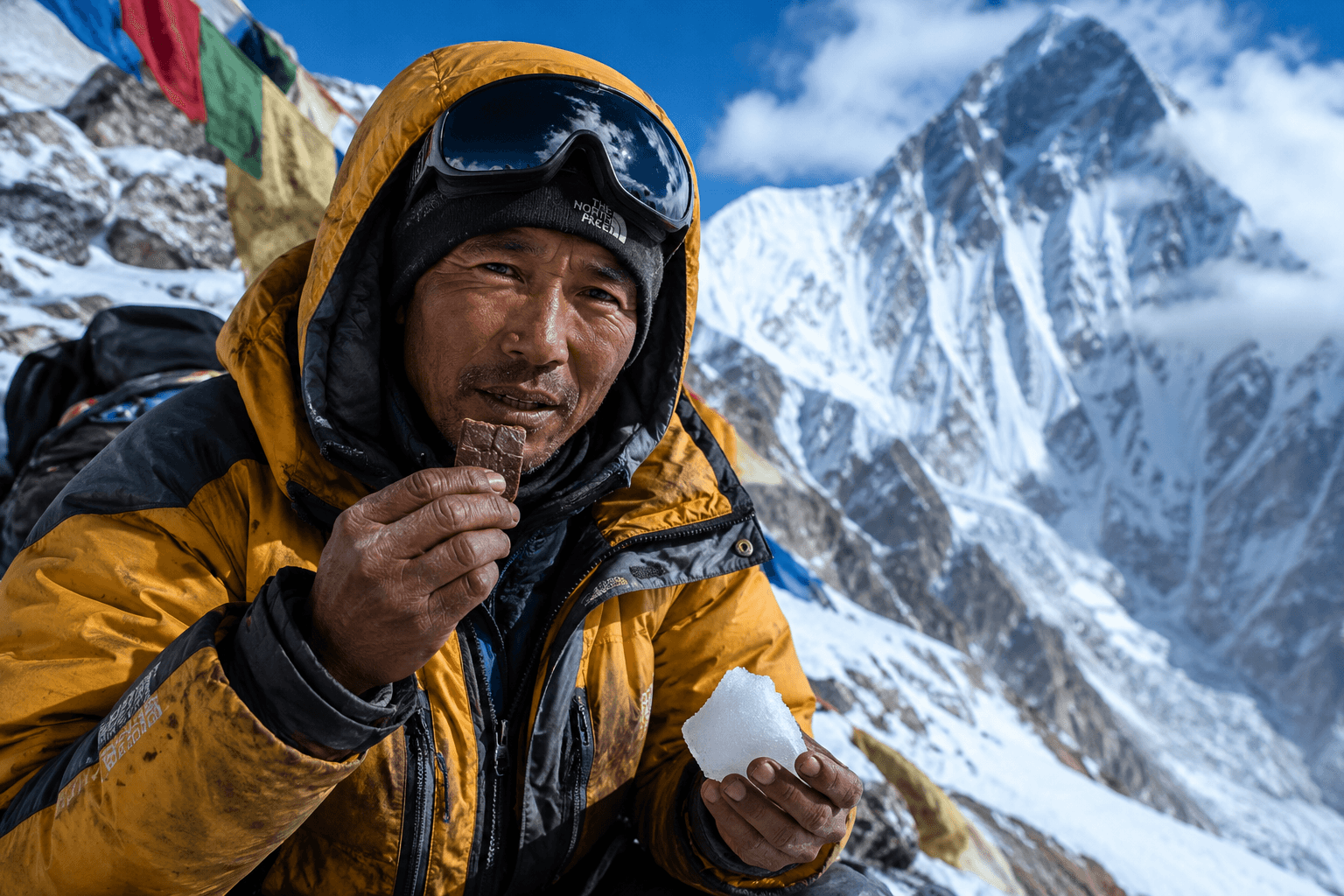
Dawa Sherpa's six-day ordeal on Mount Everest has left the global community stunned, with the seasoned guide being spotted alive as he slid slowly down the treacherous mountain. Sherpa's miraculous survival has sparked a wave of relief and curiosity, with many questioning how he managed to endure such an extreme ordeal. Speaking from hospital, Sherpa revealed that his unlikely savior was a combination of chocolate and chewing ice, a testament to the human body's incredible resilience. This extraordinary event raises questions about the growing risks associated with high-altitude mountaineering and the need for greater safety measures in the industry.
Key Context & Background
The recent surge in interest in high-altitude mountaineering has led to a significant increase in the number of climbers attempting to reach the summit of Mount Everest. This growing trend has resulted in longer queues and increased crowding on the mountain, significantly elevating the risks associated with high-altitude climbing. The death toll on Everest has been steadily rising over the past decade, with 123 fatalities reported between 2006 and 2019. The extreme environment of the mountain, combined with inexperienced climbers and inadequate safety measures, has created a perfect storm of risk. The Nepalese government, which regulates climbing on the mountain, has struggled to keep pace with the growing demand, leading to concerns about the safety of climbers and guides.
The industry's reliance on Sherpas, who are often poorly paid and lack adequate training, has also raised concerns about the human cost of high-altitude mountaineering. Many Sherpas, like Dawa Sherpa, have spent years honing their skills on the mountain, but their expertise is not always valued or respected. The growing commercialization of Everest has led to a focus on profit over safety, with many climbing companies prioritizing revenue over responsible climbing practices. The recent survival of Dawa Sherpa serves as a stark reminder of the risks faced by climbers and guides on the mountain.
Broader Implications & Future Impact
The survival of Dawa Sherpa has significant implications for the mountaineering industry and the broader community. The incident highlights the need for greater investment in safety measures, including improved training for guides and climbers, better infrastructure on the mountain, and more stringent regulations. The Nepalese government has faced criticism for its handling of climbing regulations, and this incident may prompt renewed calls for reform. The survival of Dawa Sherpa also raises questions about the ethics of high-altitude mountaineering, particularly in relation to the treatment of Sherpas and other guides.
In the long term, the survival of Dawa Sherpa may also have broader implications for our understanding of human resilience and adaptation. The fact that Sherpa was able to survive for six days on the mountain, fueled by chocolate and ice, challenges our assumptions about the limits of human endurance. This incident may prompt new research into the human body's ability to adapt to extreme environments, with potential applications in fields such as medicine, space exploration, and emergency response. As the world continues to marvel at Dawa Sherpa's miraculous survival, it is clear that this incident will have a lasting impact on our understanding of human resilience and the risks associated with high-altitude mountaineering.