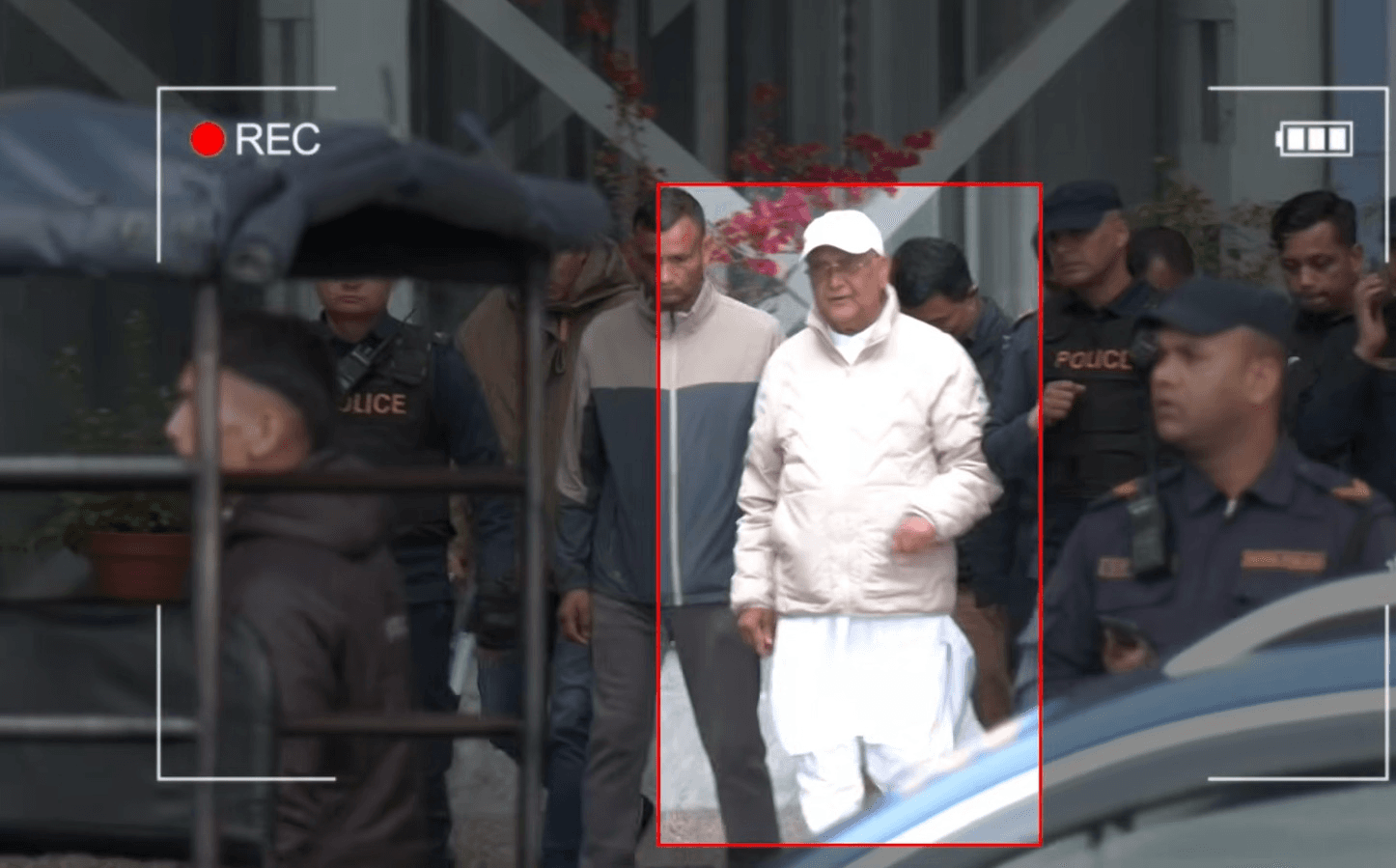
Former Nepal PM KP Sharma Oli Arrested Over Deadly Crackdown on 'Gen Z' Protests
Nepal's police took former Prime Minister KP Sharma Oli and ex-Home Minister Ramesh Lekhak into custody from their residences in Bhaktapur on Saturday morning, marking a significant development in the country's ongoing pursuit of justice for the deadly crackdown on anti-corruption protests.
The arrests occurred just one day after rapper-turned-politician Balendra (Balen) Shah was sworn in as Nepal's new Prime Minister following a landslide election victory, amidst hopes of a fresh start for the country. The action follows a judicial commission's report recommending prosecution for "criminal negligence," which held the duo accountable for failing to prevent the deadly crackdown during the September 2025 anti-corruption "Gen Z" protests that left at least 77 people dead.
Background and Context
The 'Gen Z' protests were part of a larger wave of anti-corruption demonstrations that swept across Nepal in 2025, fueled by widespread discontent over government corruption and economic stagnation. The protests were characterized by their youth-led nature, with many young Nepalis taking to the streets to demand accountability and reform from the government.
The crackdown on the protests was widely condemned by human rights groups and international observers, who accused the authorities of using excessive force against peaceful demonstrators. The incident marked a low point in Nepal's human rights record, with many calling for accountability and justice for the victims and their families.
Government Response and Reactions
Following the arrests, Nepal's new Home Minister Sudan Gurung stated that the action was "not revenge" but the "beginning of justice," emphasizing that no one is above the law. Gurung's statement is seen as a significant shift in tone from the previous government, which had faced criticism for its handling of the protests and the subsequent crackdown.
Meanwhile, KP Sharma Oli has dismissed the arrest as "vindictive" and politically motivated, vowing to fight the case legally. His party, the CPN-UML, has called for emergency meetings to discuss the situation, with some members accusing the new government of using the arrest as a means to settle political scores.
Implications and Way Forward
The arrests of KP Sharma Oli and Ramesh Lekhak are a significant development in Nepal's ongoing quest for accountability and justice. If convicted, the duo could face serious consequences, including imprisonment and asset forfeiture.
The implications of the arrests extend beyond the individuals involved, as they are seen as a test of the new government's commitment to upholding the rule of law and protecting human rights. A successful prosecution could help to restore public trust in the government and the justice system, while a failure could embolden those who seek to exploit the system for their own gain.