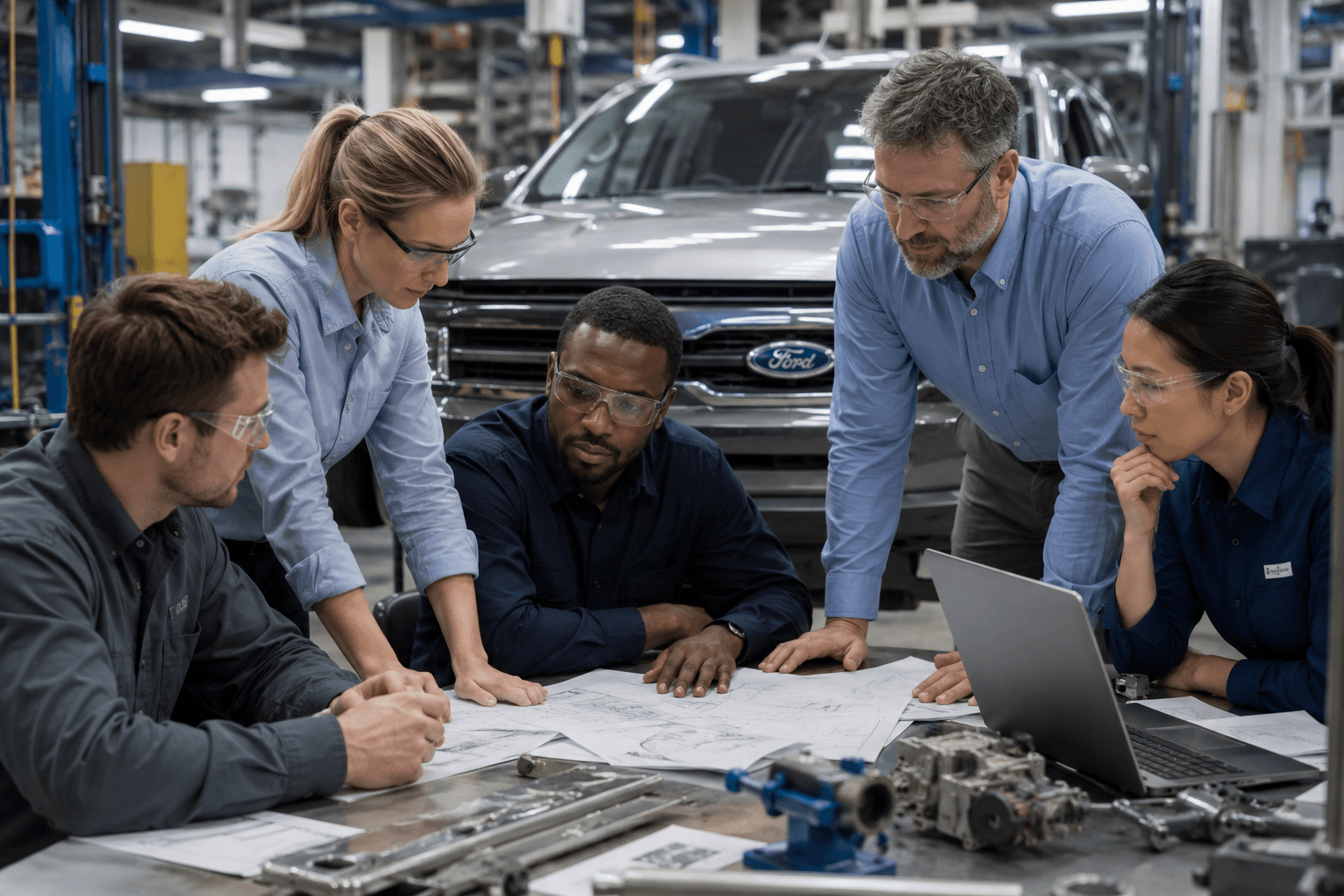
The recent decision by Ford to rehire human engineers after AI systems failed to match the quality checks of veteran technicians has sent shockwaves through the automotive industry. This unexpected turn of events highlights the limitations of artificial intelligence in certain critical areas, where human expertise and judgment remain unparalleled. The car-maker's experience serves as a stark reminder that while AI has made tremendous strides in recent years, it is not yet ready to fully replace human professionals in complex tasks that require a deep understanding of nuances and subtleties. The rehiring of human engineers by Ford is a significant development that underscores the importance of striking a balance between technological advancements and human expertise.
Key Context & BackgroundThe increasing reliance on artificial intelligence in various industries, including the automotive sector, has been driven by the promise of enhanced efficiency, reduced costs, and improved accuracy. In the case of Ford, the company had initially turned to AI-powered quality checks in an effort to streamline its manufacturing process and minimize the risk of human error. However, the AI systems failed to deliver the desired results, with the company's veteran technicians ultimately being called back in to ensure that the quality of its vehicles met the required standards. This reversal is not unique to Ford, as other companies have also encountered similar challenges in their attempts to leverage AI in complex tasks. The episode highlights the need for a more nuanced understanding of the capabilities and limitations of AI, as well as the importance of preserving human expertise in critical areas.
The automotive industry's experience with AI is reflective of a broader trend, where companies have sought to harness the power of technology to drive innovation and growth. While AI has undoubtedly transformed many aspects of the industry, from design and development to manufacturing and marketing, its application in certain areas has been more problematic. The failure of AI quality checks at Ford is a case in point, underscoring the need for companies to carefully evaluate the suitability of AI solutions for specific tasks and to ensure that they are not compromising on quality or safety in the process.
Broader Implications & Future ImpactThe decision by Ford to rehire human engineers has significant implications for the automotive industry and beyond. It suggests that while AI will continue to play a vital role in driving innovation and efficiency, human expertise and judgment will remain essential in certain critical areas. This has important implications for companies seeking to balance the benefits of technological advancements with the need to preserve human capital. As AI continues to evolve and improve, it is likely that we will see a growing emphasis on hybrid models that combine the strengths of human and machine intelligence. This could involve the development of new collaborative frameworks, where humans and AI systems work together to achieve common goals, leveraging each other's strengths to deliver better outcomes.
The Ford experience also has broader societal implications, particularly in terms of the future of work and the skills required to thrive in an increasingly automated economy. As AI assumes more routine and repetitive tasks, there will be a growing need for professionals with the skills and expertise to work alongside machines, ensuring that they are used effectively and safely. This will require significant investments in education and training, as well as a fundamental shift in the way we think about work and the role of humans in the economy. Ultimately, the rehiring of human engineers by Ford serves as a timely reminder of the importance of preserving human expertise and judgment, even as we continue to push the boundaries of technological innovation.