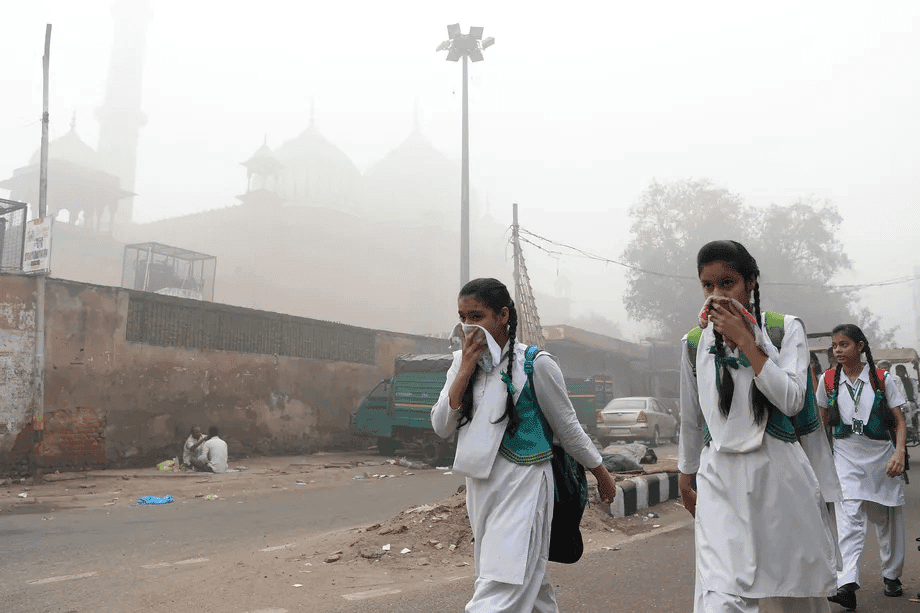
India's Air Crisis Deepens: Loni, Uttar Pradesh, Emerges as World's Most Polluted City
India's struggle to address its air pollution crisis has reached alarming levels, with the country ranking 6th in the world's most polluted countries, according to a recent study. The situation in Uttar Pradesh's Ghaziabad district has taken a particularly dire turn, with Loni emerging as the world's most polluted city, surpassing New Delhi and Begusarai.
A Global Perspective: Pollution Hotspots
The World Health Organization (WHO) has set guidelines for safe air quality, with PM2.5 levels of 10 micrograms per cubic meter considered acceptable. However, Loni's PM2.5 levels have exceeded this safety limit by a staggering 22 times. This is not an isolated incident, as five of the world's ten most polluted cities are located in India, including Byrnihat (Meghalaya), Delhi, Ghaziabad, and Birnagar (West Bengal). New Delhi remains the world's most polluted capital for the seventh time in eight years, ranking 4th among all cities globally.
India's Air Pollution Challenges
India's air pollution crisis is a complex issue, driven by a combination of factors, including rapid industrialization, urbanization, and agricultural burning. The country's rapidly growing economy has led to an increase in the use of fossil fuels, resulting in higher emissions. Agricultural burning, particularly in states like Punjab and Haryana, further exacerbates the problem. Additionally, the absence of effective waste management systems and lack of enforcement of pollution regulations have contributed to the crisis.
Consequences and Concerns
The air quality crisis in India has severe consequences for public health, with respiratory problems, cardiovascular diseases, and even cancer linked to prolonged exposure to poor air quality. The economic costs of air pollution in India are estimated to be around 8% of the country's GDP, making it a significant burden on the economy. Moreover, the crisis undermines India's efforts to achieve its sustainable development goals, particularly in the areas of health and environment.
Way Forward: A Collective Effort
The situation in Loni and other polluted cities in India demands immediate attention and collective action. The government, industries, and individuals must work together to address the root causes of air pollution. Implementing effective pollution regulations, promoting cleaner energy sources, and improving waste management systems are crucial steps towards mitigating the crisis. Moreover, raising awareness and engaging communities in the fight against air pollution can help create a culture of sustainability in India.