India-US Trade Deal Nears Completion: Ambassador Sergio Gor Signals a "New Era" of Strategic Partnership
A
By Admin📖4 min read
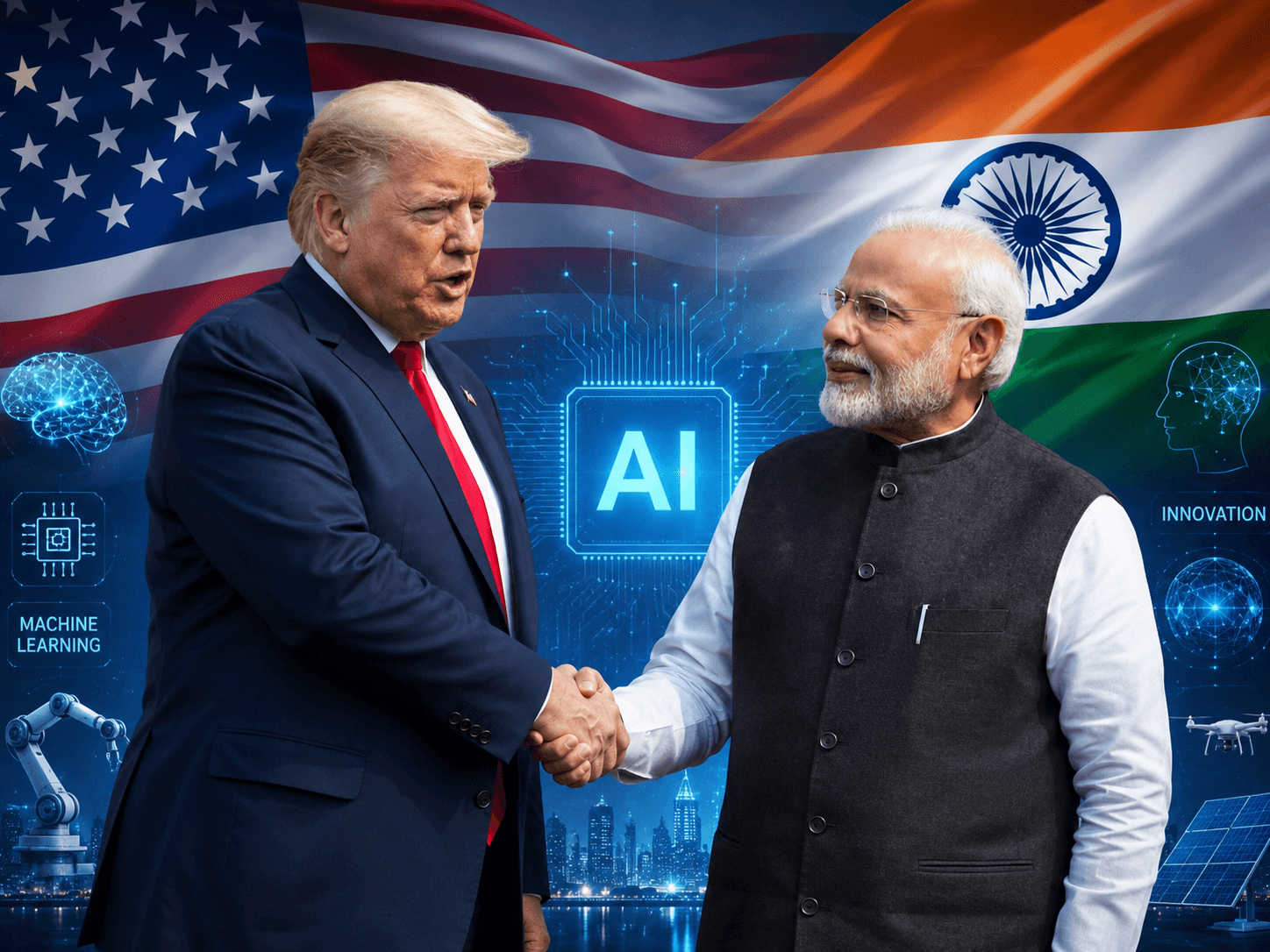
New Delhi — The long-awaited India-US trade agreement is on the verge of becoming a reality. Speaking at the IX USISPF Leadership Summit 2026, US Ambassador to India Sergio Gor confirmed that the deal has entered its "final steps," with only around 1% of the negotiations left to finalize after nearly 18 months of talks.
"It's in the Last 1 Percent"
Gor didn't mince words about how close the two nations are to sealing the agreement. He noted that most of the deal is already complete, with only a handful of items still pending from both sides. He expressed strong optimism that the pact would soon be finalized, describing it as a long-term project rather than a short-term win — one meant to set the tone for India-US relations for decades to come.
The ambassador also pointed to the dramatic growth in bilateral trade over the past two decades, which has climbed from roughly $20 billion to $220 billion. Both governments are now targeting an ambitious $500 billion in bilateral trade, a goal that officials say will depend heavily on deeper cooperation in technology, investment, and manufacturing.
AI, Technology, and Aviation at the Core
Gor emphasized that opportunities between the two countries now span virtually every high-growth sector — from artificial intelligence and technology to aviation. He framed the next two years as pivotal, setting the trajectory for a partnership expected to last for decades.
This aligns with recent high-level talks between India's Commerce Minister Piyush Goyal and US Trade Representative Jamieson Greer in New Delhi, where discussions centered on accelerating bilateral trade momentum and identifying new strategic sectors for cooperation.
India's Ambassador to the US, Vinay Mohan Kwatra, added that biotechnology, artificial intelligence, semiconductors, and quantum technology represent the next frontier of India-US collaboration, as India works toward becoming a $7 trillion economy by the end of the decade.
A Broader Strategic Reset
The trade deal builds on an interim framework reached earlier in 2026, under which the US agreed to reduce tariffs on Indian goods, contingent on phased reforms and purchasing commitments in sectors like energy, aircraft, and defense technology. Aerospace has emerged as a particularly significant pillar, with commercial aircraft orders — including from Boeing — reportedly under negotiation.
Officials on both sides have also highlighted growing cooperation in defense manufacturing and supply chain resilience, alongside expanded trade in technology products like semiconductors and data center equipment.
Modi-Trump Chemistry Driving Momentum
Much of the optimism around the deal is tied to the personal rapport between Prime Minister Narendra Modi and President Donald Trump. Gor referenced Trump's continued fondness for his visit to India, underscoring how the relationship between the two leaders has helped sustain momentum through a historically complex negotiation process.
Gor also pushed back on any suggestion that ties between the two nations had weakened, insisting cooperation across trade, defense, and people-to-people exchanges remains strong — pointing to $20.5 billion in new investment the US Embassy in New Delhi has helped attract into the United States this year.
What's Next
With negotiators reportedly down to the final details, attention now turns to when the agreement will be formally signed. If finalized, the deal is expected to mark one of the most significant milestones in India-US economic relations in recent history — reinforcing what officials on both sides are calling an "indispensable" partnership between two of the world's largest democracies.
#india us relations,#trade deal#sergio gor#pm modi#donald trump#usispf summit,#economic partnership#technology#strategic alliance#global economy
← Previous ArticleVaibhav Suryavanshi Debut Watch: Will India's Teen Sensation Finally Get His Chance vs England?Next Article →Pakistan's Indus Waters Push: Inside Islamabad's Diplomatic Campaign Amid Its Own Water Crisis