Inside the Doha Talks: Where the Fragile US-Iran Ceasefire Stands After Khamenei's Killing
A
By Admin📖4 min read
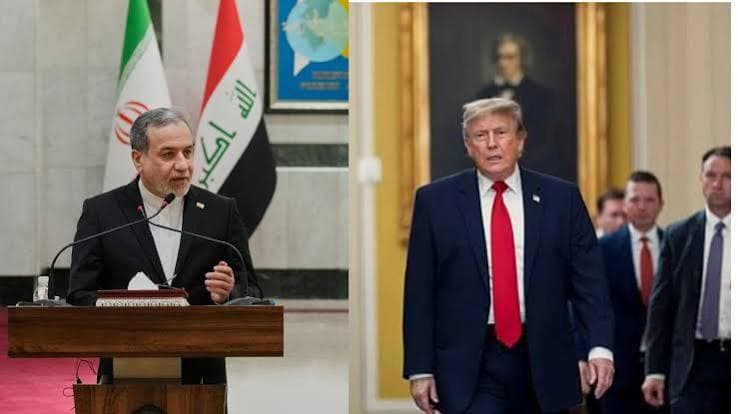
Indirect, technical-level talks between the United States and Iran are underway in Doha this week — the latest attempt to keep a fragile ceasefire from unraveling, months after a war between the two countries left Iran's Supreme Leader dead and reshaped the country's leadership.
The context: this isn't a minor dispute
It's worth being clear about the scale of what led here. On February 28, 2026, a joint US-Israeli strike killed Iran's Supreme Leader, Ayatollah Ali Khamenei, at his residence in Tehran — confirmed by Iranian state media on March 1. His killing opened a four-month war between Iran and the US/Israel. Khamenei's son, Mojtaba Khamenei, was elected as the new Supreme Leader on March 8.
The war ended, at least on paper, with a ceasefire agreement — commonly referred to as the Islamabad Memorandum of Understanding — signed on June 17, 2026, building on an earlier framework reached at a summit in Lake Lucerne. Since then, implementation has been rocky: both sides have accused each other of violating the MoU, there have been exchanges of fire and attacks on commercial shipping in the Strait of Hormuz, and a full return to war has been floated more than once. Khamenei's funeral — delayed for months by the war — is now underway, with ceremonies running July 4–9 across Tehran, Qom, Najaf, Karbala, and Mashhad, where he'll be buried at the Imam Reza shrine.
What's actually being discussed in Doha
The current round of talks, mediated by Qatar and Pakistan, is not a nuclear negotiation — despite President Trump's public comments that "denuclearization of Iran is moving along well." Analysts following the talks say this round is narrowly focused on implementing the existing ceasefire MoU, centered on two issues:
The Strait of Hormuz. Iran has pushed to assert control — jointly with Oman, it argues — over the strait, which carries roughly a fifth of the world's seaborne oil trade, and wants to charge transit fees once the MoU's 60-day window expires. The US has been encouraging shipping to use a new route closer to the Omani coast, which Iran says provoked its recent attacks on commercial vessels. The two sides reached an understanding to keep the strait calm for roughly a week around the July 4 holiday, but that arrangement is temporary, and further clashes remain a real possibility.
Iran's frozen funds. Roughly $6–12 billion in Iranian assets are held in Qatari accounts. Negotiators have discussed releasing an initial tranche — reportedly around $3 billion — not as a cash transfer, but for Iran's central bank to use purchasing humanitarian goods, including from US suppliers. The US has said Iran's continued access will depend on compliance with the broader agreement.
Qatari and Pakistani mediators described "positive progress" after this week's sessions, and Vice President JD Vance said talks were "going well," while also declining to rule out a return to military action. Not everyone in Washington is convinced the diplomatic track is working in America's favor: former Trump national security adviser H.R. McMaster has publicly argued that Iran is the one gaining the most from the process, using sanctions relief and the prospect of unfrozen funds to rebuild.
What happens next
Both sides have agreed to resume talks once Khamenei's funeral concludes on July 9. Iran's chief negotiator, parliament speaker Mohammad Baqer Qalibaf, has said Tehran is "currently not negotiating with the United States at all" in a direct sense — all contact continues to run through Qatari and Pakistani intermediaries. No comprehensive, long-term deal has been finalized, and officials on both sides describe the situation as fragile rather than resolved. Whether the ceasefire holds through the funeral period, and whether Mojtaba Khamenei's leadership proves more or less willing to compromise than his father's, will likely shape whether these technical talks can turn into a durable settlement.
#iran#united states#doha talks#straitofhormuz#khamenei#iranceasefire#islamabadmemorandum#mojtabakhamenei#middleeast#qatar
← Previous ArticleWhy Indian IT's Grip on the Nifty 50 Just Hit a 20-Year LowNext Article →Ram Mandir Donation Theft Case: SIT Widens Probe, Seeks 5-Year Trust Audit as Two Officials Resign