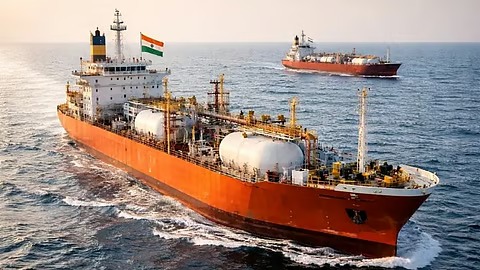
LPG Tanker Nanda Devi Reaches India via the Strait of Hormuz, Eases Supply Fears
India's energy security has received a significant boost with the safe arrival of the LPG tanker Nanda Devi at Vadinar port in Gujarat. The vessel, carrying approximately 46,500 metric tonnes (MT) of LPG, has eased concerns about domestic supply disruptions triggered by global supply chain issues.
Strategic Maritime Coordination in High-Risk Zone
The Nanda Devi's successful navigation through the Strait of Hormuz, a high-risk zone due to ongoing Middle East conflict, highlights India's strategic maritime coordination and energy security push during geopolitical tensions. The Strait of Hormuz is a critical chokepoint, controlling approximately 20% of global oil exports and 25% of liquefied natural gas (LNG) shipments. The vessel's safe passage underscores the Indian government's commitment to ensuring stable energy supplies amidst regional conflicts.
Relief from LPG Shortage Concerns
The Nanda Devi's arrival comes on the heels of another tanker, Shivalik, which also successfully delivered LPG to India. This back-to-back effort by Indian authorities to secure energy supplies signals a coordinated approach to mitigate the impact of global supply disruptions. The shipment provides significant relief to the Indian market, which has been grappling with LPG shortages due to supply chain disruptions.
Context and Background
The global LPG market has faced numerous challenges in recent years, including supply chain constraints, geopolitical tensions, and fluctuating demand patterns. The Middle East conflict has exacerbated these challenges, leading to a surge in global LPG prices and increased concerns about energy security. India, being one of the world's largest energy consumers, has been particularly vulnerable to these disruptions.
Implications and Analysis
The safe arrival of the Nanda Devi and the coordinated efforts by Indian authorities to secure energy supplies have significant implications for the country's energy security. The incident highlights the need for strategic maritime coordination, robust supply chain management, and proactive measures to mitigate the impact of global disruptions. As the global energy landscape continues to evolve, India's success in navigating high-risk zones and securing energy supplies will be crucial in ensuring the country's continued economic growth and energy security.