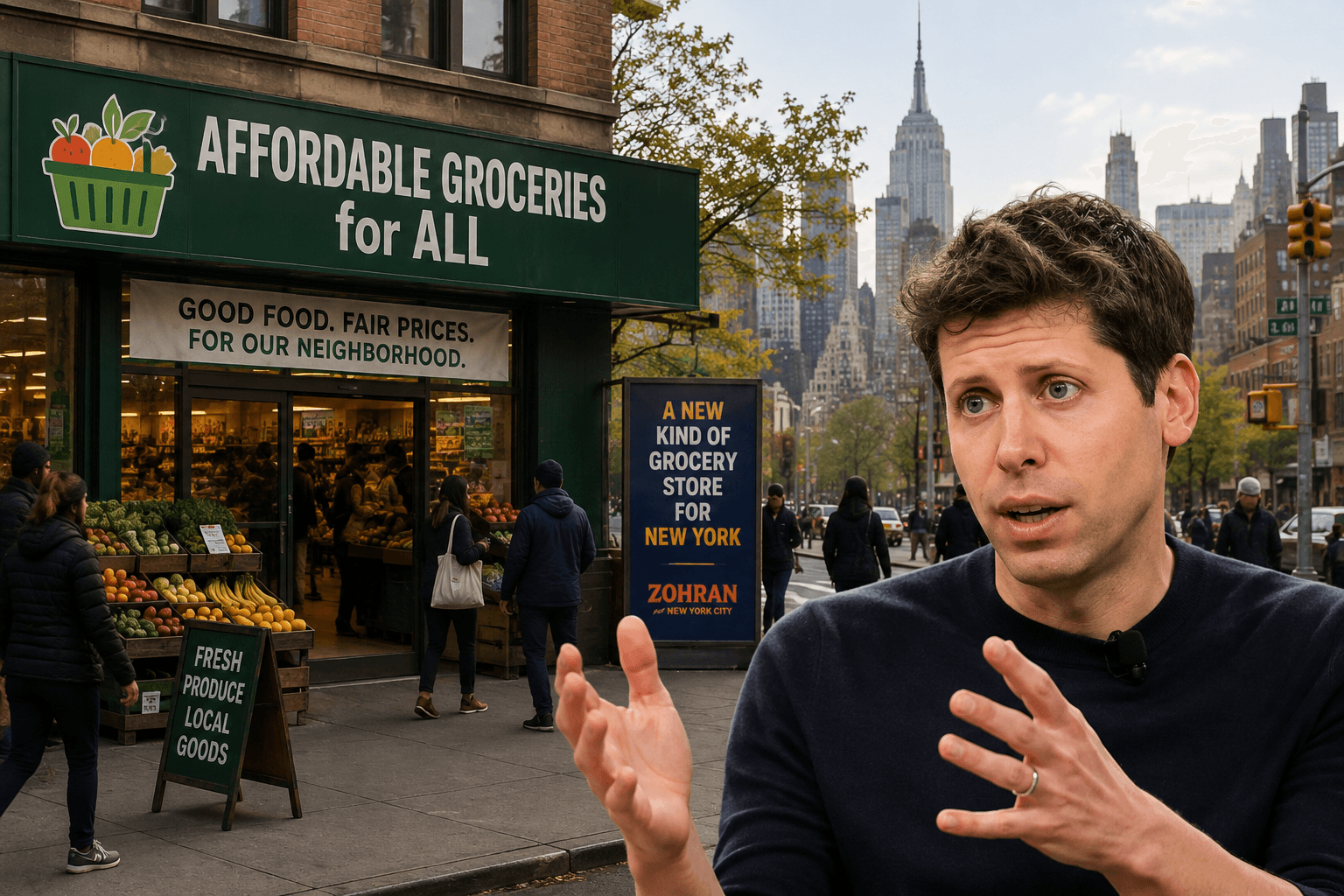
A recent prediction by venture capitalist David Friedberg has sparked intense debate about the viability of New York City's subsidized grocery stores, a project initiated by Mayor Eric Adams and backed by the city government. Friedberg believes that while these stores will initially attract large customer numbers due to significant discounts, they will ultimately face long-term economic strains and burden taxpayers. This forecast has been met with criticism from industry leaders, who question the plan's ability to compete with private grocers and fear the potential for market distortions and pressure on smaller food businesses. The development has significant implications for the grocery market, urban planning, and the role of government in economic development.
Key Context & Background
The subsidized grocery store initiative is part of a broader effort to address food insecurity and affordability in urban areas. Historically, many low-income neighborhoods in New York City have struggled with limited access to fresh, healthy food options, a phenomenon often referred to as "food deserts." The city's plan aims to fill this gap by providing subsidized groceries, thereby improving the quality of life for residents and promoting public health. However, critics argue that government-backed initiatives may not be the most effective solution, citing concerns about efficiency, sustainability, and the potential for market distortions. The initiative also reflects a larger trend of government intervention in the economy, raising questions about the appropriate role of public sector involvement in addressing social and economic issues.
Broader Implications & Future Impact
The long-term implications of New York City's subsidized grocery stores extend beyond the grocery market, with potential impacts on urban planning, economic development, and social welfare policy. If successful, the initiative could serve as a model for other cities to address food insecurity and promote healthy eating habits. However, if the project fails to achieve its goals or creates unintended consequences, it could undermine confidence in government-led economic development initiatives and reinforce skepticism about the effectiveness of public sector interventions. The initiative also raises important questions about the relationship between government, business, and civil society, highlighting the need for collaboration and coordination to address complex social and economic challenges. As the project moves forward, it will be essential to monitor its progress, assess its impact, and consider the potential lessons for other cities and policymakers.
Industry Response and Future Outlook
The response from industry leaders and experts will be crucial in shaping the future of the subsidized grocery store initiative. While some critics have expressed concerns about the plan's viability, others see it as an opportunity for innovation and collaboration between government, business, and social enterprises. As the project unfolds, it will be important to engage with a wide range of stakeholders, including grocery retailers, food manufacturers, and community organizations, to ensure that the initiative is responsive to local needs and priorities. Ultimately, the success of the subsidized grocery store initiative will depend on its ability to balance competing goals, including affordability, accessibility, and sustainability, while also promoting a vibrant and competitive grocery market that benefits both consumers and businesses.