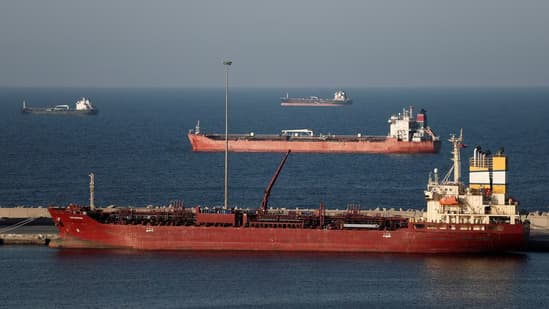
UN Standoff: Russia and China Veto Resolution to Reopen Strait of Hormuz
The United Nations Security Council (UNSC) has witnessed a significant diplomatic showdown, as Russia and China invoked their veto power to block a resolution aimed at securing and reopening the Strait of Hormuz to international shipping. The move, orchestrated by Bahrain, has sparked widespread concerns about the potential for prolonged disruptions in one of the world's most critical oil transit chokepoints.
The Strait of Hormuz, which connects the Persian Gulf to the Gulf of Oman, is a vital artery for global energy flows, with approximately 20% of the world's seaborne oil passing through it. The ongoing maritime crisis in the Middle East, fueled by rising tensions between the United States and Iran, has already led to disruptions in oil exports, contributing to a surge in global oil prices. The UN resolution, drafted by Bahrain, sought to address these concerns by calling for a ceasefire in the region, the release of seized ships, and the protection of international shipping in the Strait of Hormuz.
Russia and China's Motivations
Russia and China's decision to veto the resolution has been met with criticism from the United States and its allies, who accuse the two nations of "abdication of responsibility" for global energy security. However, Moscow and Beijing have argued that the text was "unbalanced" and failed to address the root causes of regional instability. From their perspective, the resolution placed undue emphasis on the security concerns of Western nations, while neglecting the legitimate interests of regional players, such as Iran.
China, in particular, has been increasingly vocal about its opposition to US-led efforts to contain Iran's nuclear program and its involvement in regional conflicts. Beijing's support for Russia's veto reflects its own desire to maintain a balanced approach to international relations, one that avoids taking sides in regional conflicts and focuses on advancing its own economic and strategic interests.
Pakistan's Diplomatic Balancing Act
Pakistan's decision to abstain from the vote has been seen as a significant diplomatic move, reflecting its complex balancing act between Western allies and its strategic partnerships with China and Russia. Islamabad has long maintained a delicate relationship with the United States, which has provided significant economic and military aid to Pakistan. However, Pakistan's ties with China and Russia have grown increasingly strong in recent years, driven by their shared concerns about US influence in the region.
As the international community grapples with the implications of the veto, one thing is clear: the crisis in the Strait of Hormuz is far from over. The ongoing standoff at the UNSC highlights the deepening divisions within the international community, as nations with competing interests and values navigate the complexities of global governance. The consequences of this standoff will be far-reaching, with significant implications for global energy security, regional stability, and the rules-based order of international relations.