US Seizes Iranian Ship Near Hormuz; Tehran Threatens Retaliation
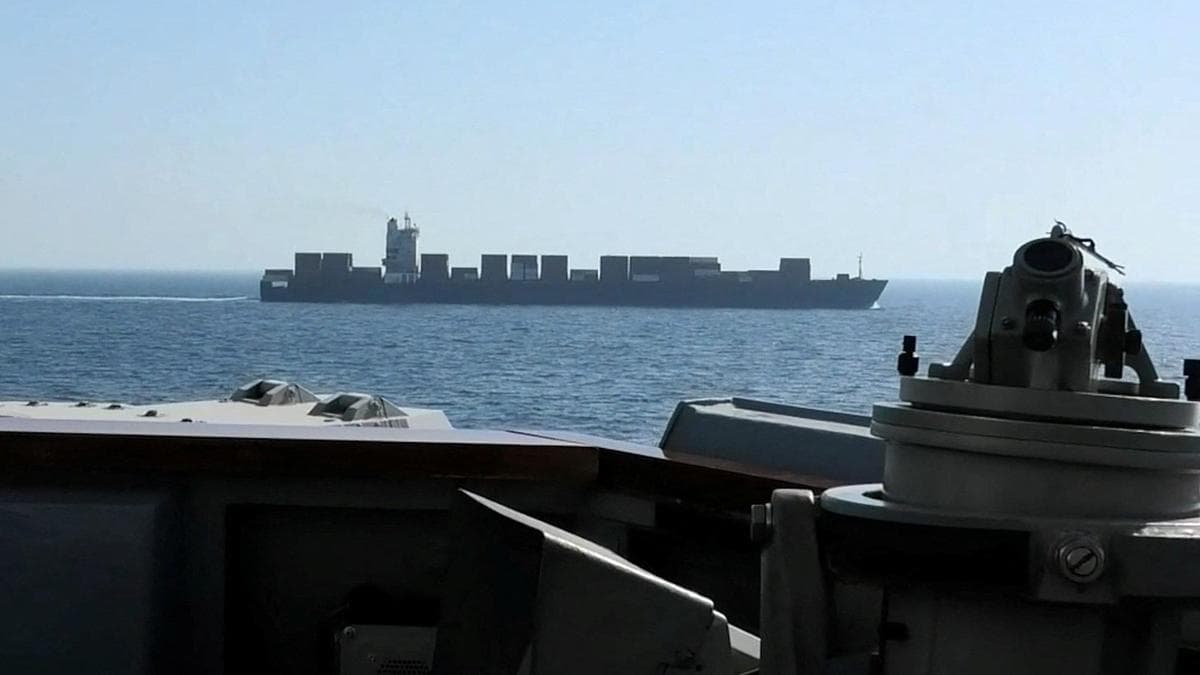
The United States Navy's interception and subsequent seizure of the Iranian-flagged cargo ship Touska near the Strait of Hormuz has sent shockwaves through the global community, further escalating tensions between the two nations. This marked the first such seizure since the American blockade began, and it has left the international community wondering about the implications of this bold move.
Escalating Tensions
The seizure occurred after an engine room strike on the Touska, according to President Trump, who stated that the ship was "stopped in its tracks." This move has been met with fierce resistance from Iran, with its military command labeling the seizure as "piracy" and a blatant violation of the existing ceasefire, which is set to expire on April 22. Tehran has warned of a "swift response" and hinted that it may "reveal new cards" on the battlefield.
Global Consequences
The ongoing standoff has resulted in the shuttering of the Strait of Hormuz, leaving over 1,600 vessels stranded. This crucial waterway is a critical artery of global trade, with roughly 20% of the world's oil passing through it. The continued blockade has caused a surge in oil prices and a worsening global energy shortage, further exacerbating the economic strain felt by many countries.
Pakistan's Role in the Crisis
Amidst this escalating crisis, Vice President J.D. Vance is scheduled to lead a U.S. delegation to Islamabad for peace talks. Pakistan has expressed confidence that Iran will participate, although Tehran has voiced deep skepticism following the recent naval action. The Pakistani government's efforts to facilitate dialogue between the two nations may prove crucial in preventing further escalation.
Implications for Global Security
The seizure of the Touska and the subsequent threat of retaliation from Iran has significant implications for global security. The Strait of Hormuz is a key chokepoint in global oil trade, and any disruption to this vital supply chain can have far-reaching consequences for economies around the world. The current standoff highlights the need for diplomatic efforts to de-escalate tensions and find a peaceful resolution to this conflict.
Conclusion
The seizure of the Touska and the resultant standoff have brought the world to the brink of a major crisis. As the situation continues to unfold, it is crucial that diplomatic efforts are prioritized to prevent further escalation and find a peaceful resolution to this conflict. The international community must come together to address the root causes of this crisis and work towards a more stable and secure future for all nations involved.