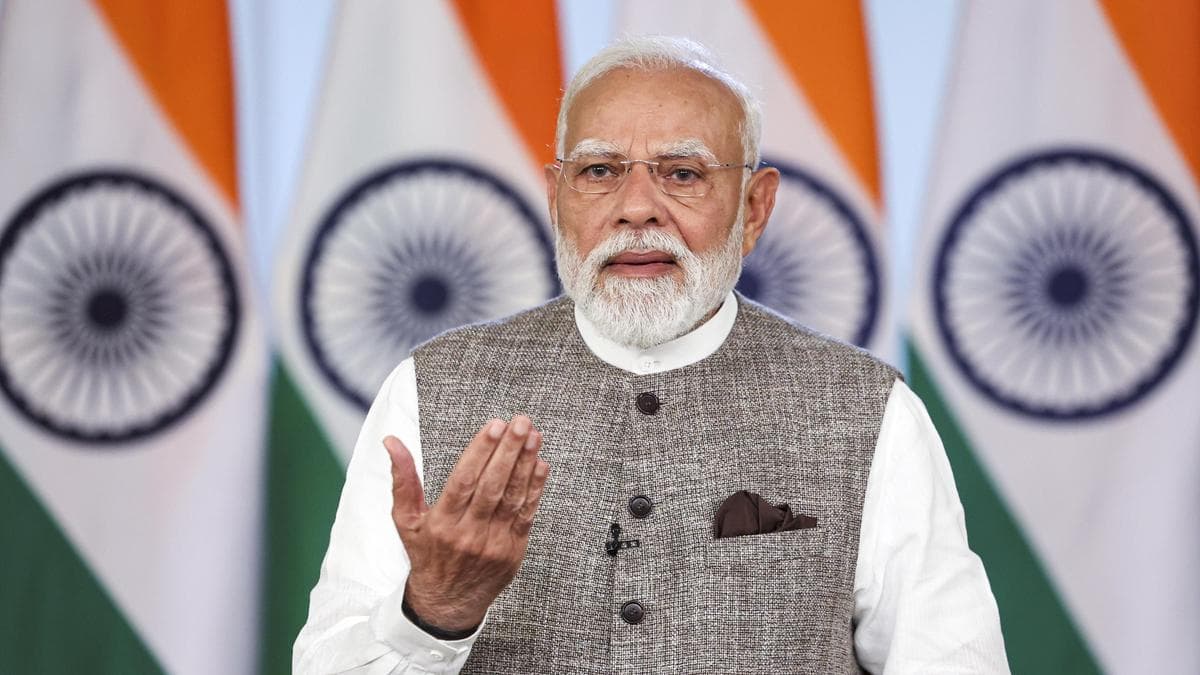
PM Modi's National Address Sparks Election Commission Complaints
Over 700 civil society members, including former bureaucrats and academics, have petitioned the Election Commission of India (ECI) against Prime Minister Narendra Modi's April 18 address to the nation on women's reservation. The group claims that PM Modi's speech was a "blatant" violation of the Model Code of Conduct (MCC), a set of guidelines governing the conduct of political parties and candidates during election periods.
Election Commission's Model Code of Conduct: A Brief Overview
The MCC is a crucial instrument in maintaining the integrity of India's electoral process. Enacted in 1961, the MCC aims to ensure a level playing field for all contesting parties and candidates. Section 123 of the Representation of the People Act, 1951, specifically prohibits the use of official government channels and resources for partisan propaganda during election periods. The MCC also emphasizes the importance of free and fair elections, where all parties have equal access to media and other resources.
PM Modi's Address: A Potential MCC Violation?
According to the petitioners, PM Modi's April 18 address to the nation on women's reservation was a blatant MCC violation. The speech was broadcast through official government channels, including Doordarshan and All India Radio, and was also shared on social media platforms. The petitioners argue that this misuse of official resources provides an undue advantage to the ruling party and undermines the level playing field.
Consequences of MCC Violations
Under the MCC, any violation can attract severe consequences, including the EC's direction to the government to withdraw the offending content or take other corrective measures. The EC may also initiate a formal inquiry into the matter, which can result in the cancellation of the speech and other penalties. In this case, the petitioners have requested the EC to immediately scrub the speech from all government websites and official records.
Opposition Parties Demand Equal Airtime
Furthermore, the petitioners have urged the EC to grant equal broadcasting time on national media to opposition parties to present their perspectives on women's reservation. If the address was indeed pre-approved by the EC, the petitioners argue that the opposition parties should be given an equal opportunity to express their views. This would ensure a fair and balanced representation of all parties in the public discourse.
Conclusion
The petition filed by over 700 civil society members has sparked a significant debate on the MCC and its implementation during election periods. As the EC deliberates on the matter, it remains to be seen whether PM Modi's speech will be taken down from government websites and official records. The outcome of this case will have significant implications for the future of election-related communications in India and the ability of opposition parties to contest on an equal footing.