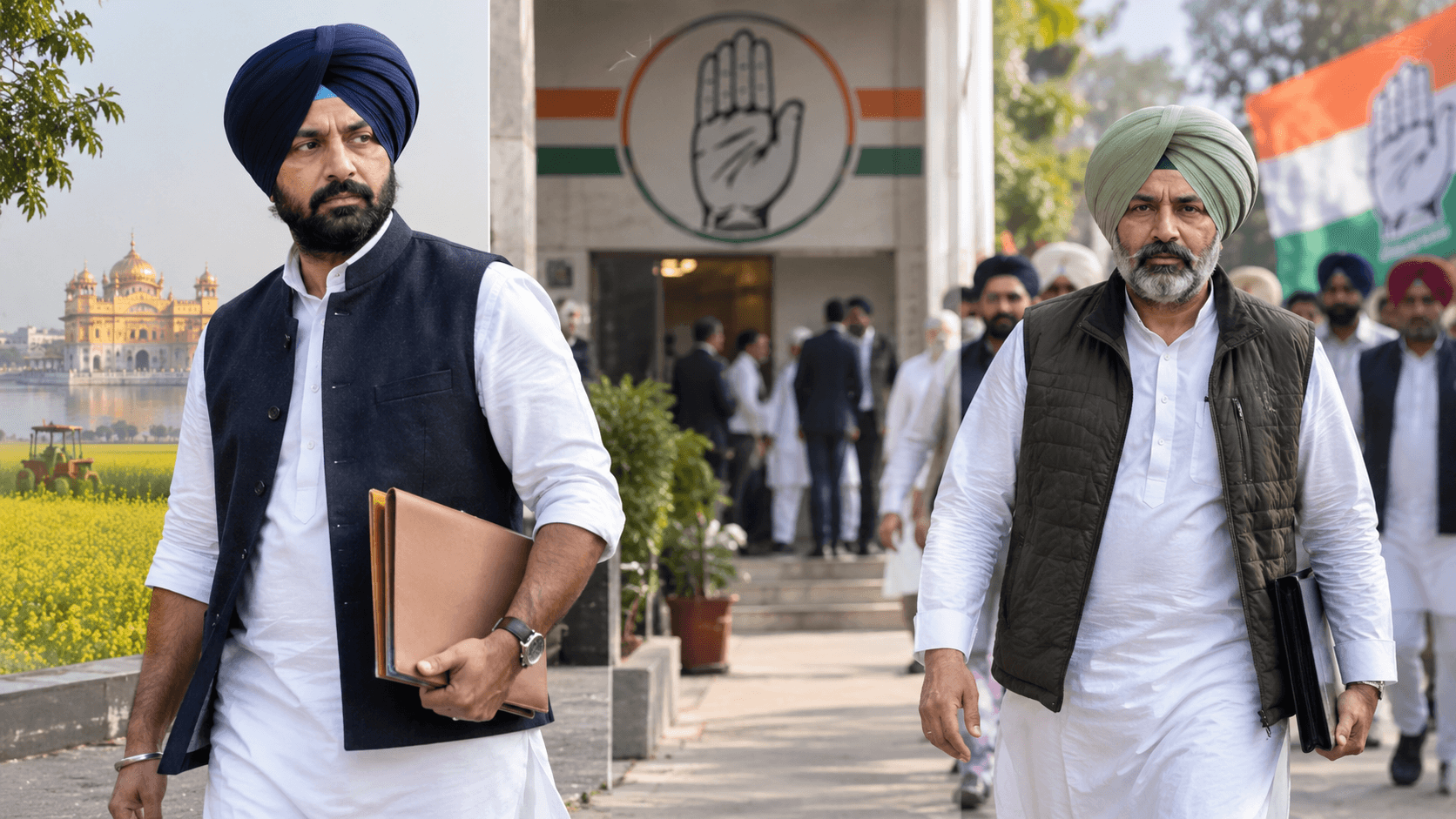
Punjab’s Congress unit entered a new phase on Tuesday when veteran leader Raja Warring stepped down after more than four years at the helm, making way for former hockey star‑turned‑politician Pargat Singh. The resignation, taken after a series of consultations with national figure Rahul Gandhi, signals an attempt by the party’s central leadership to quell simmering factionalism that has eroded its electoral base since the 2022 assembly polls. Yet the appointment of Singh, a relative newcomer to high‑stakes state politics, raises fresh questions about whether the Congress can re‑forge a cohesive identity or merely replace one internal crisis with another.
Leadership Transition
The handover was formalised at a press conference in Chandigarh, where Warring thanked party workers for “unwavering support” while acknowledging the “need for renewal” in the state unit. Pargat Singh, who served as a minister in the short‑lived 2022 Congress government and is credited with a clean‑image campaign, accepted the role with a promise to “re‑unite the fractured cadres.” The move is widely interpreted as a strategic gamble by the All India Congress Committee (AICC) to inject fresh leadership that can bridge the divide between the Warring‑led faction and the camp loyal to former chief minister Captain Amarinder Singh, who remains a potent, albeit embattled, figure within the party.
Key Context & Background
The crisis in Punjab traces its roots to the 2022 electoral debacle, where the Congress fell to third place behind the Aam Aadmi Party (AAP) and the Shiromani Akali Dal (SAD). Internal dissent erupted as senior leaders blamed each other for the loss, culminating in a public rift between Amarinder Singh and Warring. The latter’s ascension in 2019 had been seen as a consolidation of the “new generation” faction, but his tenure was marred by accusations of nepotism and an inability to present a credible alternative to the AAP’s welfare‑centric narrative. Moreover, the party’s organizational machinery in Punjab has been weakened by defections, dwindling fundraising, and a perception that the national leadership is disengaged from ground realities. Rahul Gandhi’s recent visits and the decision to replace Warring reflect a broader AICC strategy to reset the state unit before the 2024 Lok Sabha elections, where Punjab’s 13 seats are viewed as pivotal for any coalition seeking a parliamentary majority.
Broader Implications & Future Impact
If Singh can navigate the entrenched factional loyalties, the Congress may recover its status as the principal opposition to AAP’s governance model, potentially reshaping Punjab’s policy discourse around agrarian distress, industrial investment, and the contentious farm‑law protests that still echo in the state. A united Congress could also influence the national political calculus by siphoning votes from both AAP and the BJP‑aligned SAD, thereby affecting coalition dynamics in the upcoming general election. Conversely, failure to reconcile the rival camps could deepen the party’s fragmentation, inviting further defections to rival outfits or to the AAP, which continues to consolidate its grassroots network.
Strategic Outlook
Analysts warn that Singh’s success hinges on three interlinked factors: rebuilding the party’s cadre base through transparent candidate selection, articulating a policy platform that resonates with Punjab’s agrarian and industrial constituencies, and managing the delicate balance between honoring Amarinder Singh’s legacy while asserting new leadership. The coming months will test the AICC’s capacity to provide resources and strategic guidance without appearing overly prescriptive—a misstep could reignite the very factionalism the leadership change seeks to resolve. As Punjab stands at a political crossroads, the Congress’s next moves will be scrutinised not only by state voters but by a national audience keenly watching whether India’s oldest party can reinvent itself in a region where its relevance has been seriously challenged.