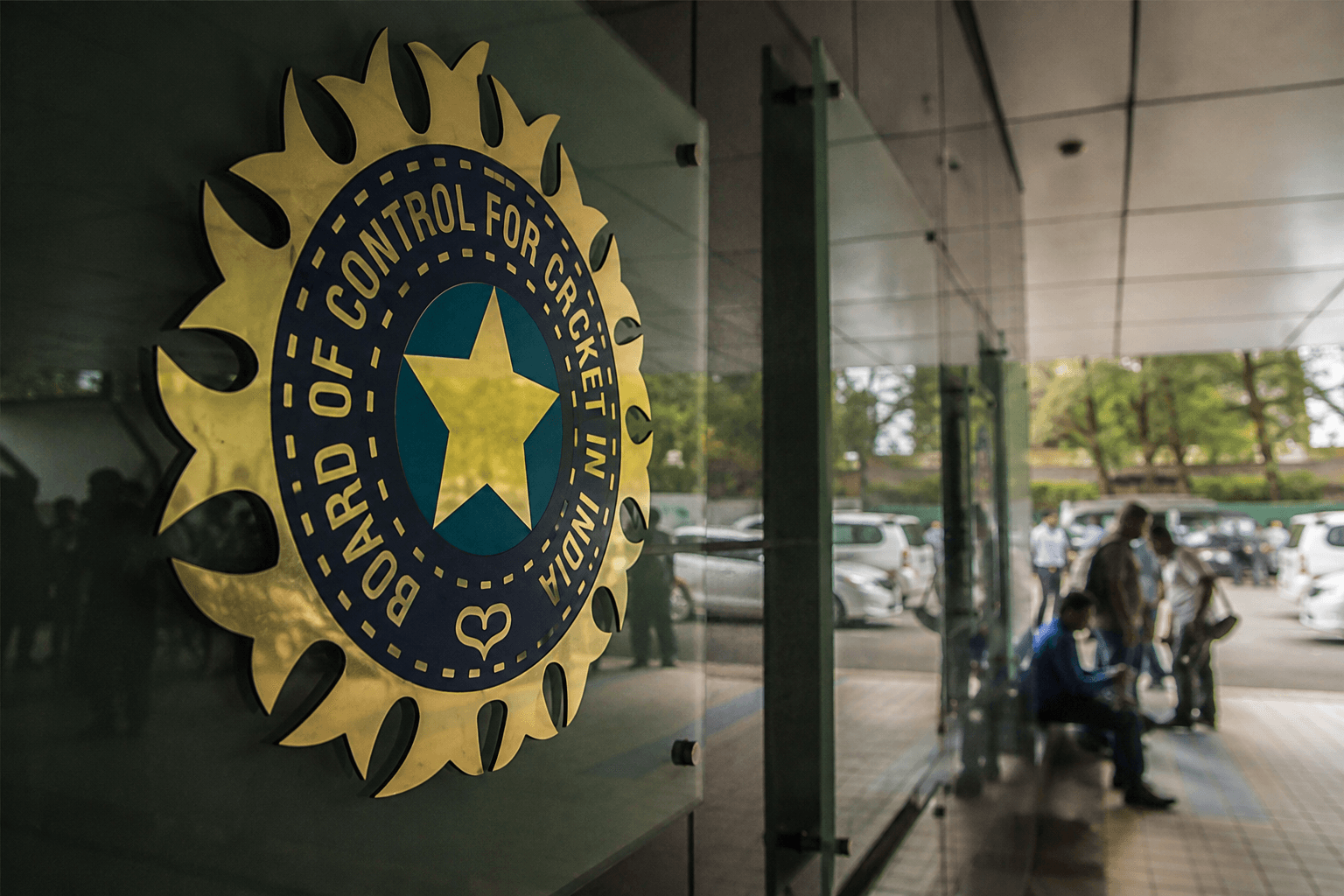
The Board of Control for Cricket in India (BCCI) has ignited a fresh governance crisis by rejecting a government notice that permits the postponement of its elections until December 2026 under the National Sports Governance Act. State cricket associations, already grappling with internal power struggles, now face uncertainty as the BCCI insists that its electoral timetable must be dictated solely by its own constitution. The clash pits the autonomy traditionally claimed by the sport’s premier body against an increasingly assertive regulatory framework, raising questions about the future of cricket administration across the country.
Key Context & Background
The National Sports Governance Act, passed in 2023, was designed to bring uniformity to the management of sports federations, mandating cooling‑off periods for officials and stricter conflict‑of‑interest disclosures. In response to several high‑profile allegations of undue influence within the BCCI, the Ministry of Youth Affairs and Sports issued a notice in August that allowed any affiliated body to defer elections for up to three years, ostensibly to provide a window for structural reforms. The BCCI, however, argues that its 2013 constitution—revised after the Lodha Committee recommendations—already embeds checks such as term limits and an independent apex council, rendering the external notice redundant and potentially unconstitutional.
Legal Tensions and Procedural Standoff
The legal impasse centers on the interpretation of “autonomous governance” versus “public interest oversight.” While the Supreme Court’s 2015 verdict affirmed the BCCI’s right to self‑regulate, it also underscored the need for transparency and accountability, a stance that the 2023 Act seeks to codify. The BCCI’s legal counsel has filed a petition challenging the notice, contending that the Act cannot retroactively alter the board’s internal election schedule without breaching the constitutional guarantee of independence for sports bodies. Critics argue that the board’s resistance may be less about procedural fidelity and more about preserving the entrenched power of its senior echelons, who could benefit from an extended tenure.
State Associations' Dilemma
State cricket associations—ranging from the cricket‑rich Maharashtra Cricket Association to the emerging North Eastern bodies—find themselves in a precarious position. Many have already initiated internal reforms to align with the cooling‑off mandates, but the BCCI’s stance threatens to nullify those efforts by imposing a uniform election timeline that could override locally negotiated changes. Moreover, the ambiguity surrounding conflict‑of‑interest rules has left several state executives vulnerable to legal challenges, potentially destabilising grassroots development programs that rely on consistent leadership.
Broader Implications & Future Impact
If the BCCI’s challenge succeeds, it could reaffirm the precedent that national sports federations operate beyond the reach of statutory intervention, preserving a model of self‑governance that has historically insulated Indian cricket from political interference. However, such an outcome may also embolden other federations to resist reforms, perpetuating a culture of opacity that has attracted criticism from sponsors, broadcasters, and civil society. Conversely, a ruling in favor of the government could trigger a cascade of governance overhauls across Indian sport, compelling bodies to adopt standardized cooling‑off periods, stricter financial disclosures, and more democratic election processes.
In the medium term, the dispute is likely to affect the scheduling of domestic tournaments, as state associations scramble to align their administrative calendars with a potentially delayed national election cycle. Sponsorship contracts, which often hinge on the stability of governing bodies, may be renegotiated, impacting revenue streams that fund talent pipelines. In the longer view, the resolution will serve as a bellwether for the balance of power between autonomous sports institutions and the state’s regulatory agenda, shaping the governance architecture not only for cricket but for the broader Indian sporting ecosystem.