Introduction to the Namami Gange Programme
The Namami Gange Programme, a flagship initiative of the Indian government, aims to restore the purity and sanctity of the Ganga River. Launched in 2014, the program seeks to improve the water quality of the river through various interventions, including the construction of sewage treatment plants (STPs), solid waste management, and public awareness campaigns. However, a recent report by the Comptroller and Auditor General (CAG) has highlighted significant shortcomings in the implementation of this program in Uttarakhand.
Key Findings of the CAG Report
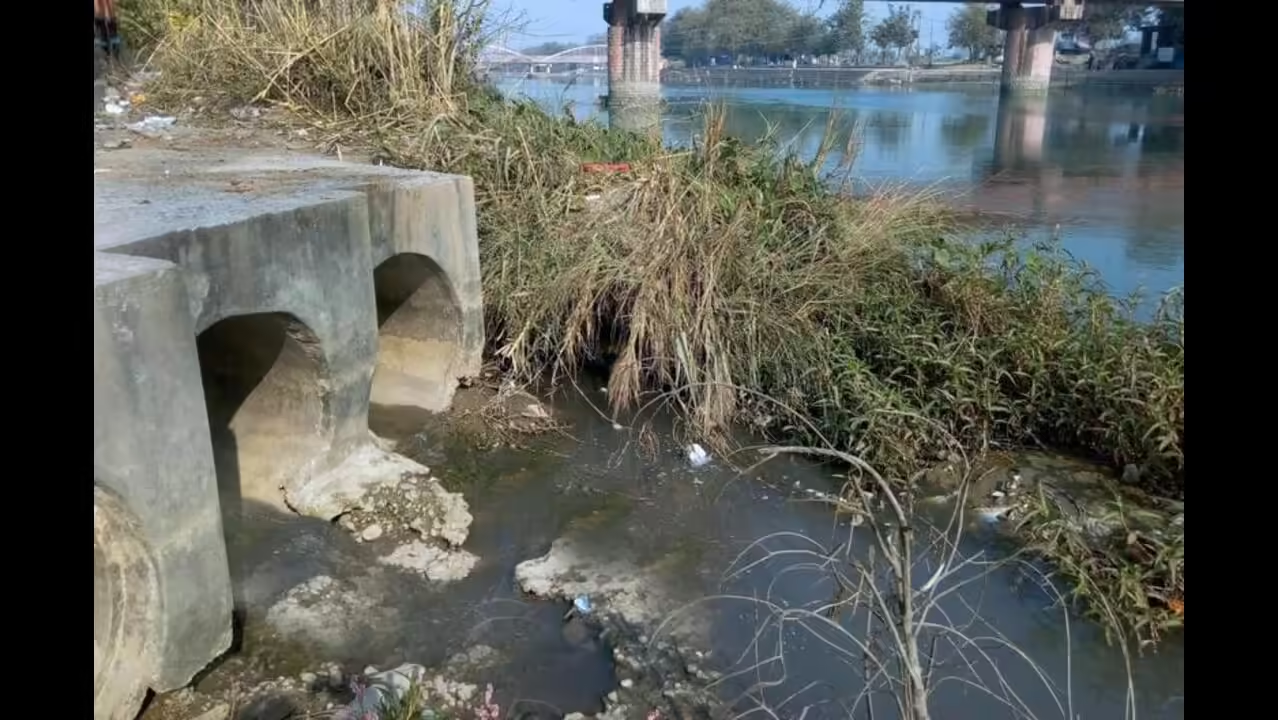
The CAG audit, conducted between 2018 and 2023, identified major failures in the implementation of the Namami Gange Programme in Uttarakhand. The report noted that inadequate sewage treatment infrastructure, poorly functioning or unconnected STPs, weak waste management, and lack of public awareness initiatives were some of the key problems plaguing the program. Many STPs lacked capacity or were not operational, resulting in untreated sewage flowing into the Ganga, which has severe environmental and health implications. Furthermore, safety audits were not conducted on time, leading to loss of lives and damage to assets.
Analysis of the Gaps in Implementation
The CAG report also highlighted that unused crematoria, poor solid-waste disposal, relaxed treatment standards, and weak monitoring of water quality were some of the other issues that hindered the effective implementation of the program. Perhaps most strikingly, the report noted that only 16% of the planned expenditure was implemented, indicating significant gaps in execution. This raises questions about the effectiveness of the program's planning and implementation mechanisms. The fact that such a small proportion of funds were utilized suggests a lack of coordination and oversight, which has hindered the program's progress.
Conclusion and Way Forward
The CAG report's findings are a cause for concern, as they suggest that the Namami Gange Programme is not being implemented effectively in Uttarakhand. To address these issues, it is essential to strengthen the program's planning and implementation mechanisms, ensure that STPs are operational and connected, and enhance public awareness initiatives. Additionally, regular safety audits and monitoring of water quality must be conducted to prevent environmental and health hazards. Only by addressing these gaps can the program achieve its objectives and restore the purity and sanctity of the Ganga River.