The bill passes, but not quietly
The Lok Sabha passed the Public Examinations (Prevention of Unfair Means) Amendment Bill, 2026 on Wednesday, July 29, amid repeated disruptions and adjournments — capping a legislative process that began when the Centre introduced the bill on July 27, just two days after Dharmendra Pradhan's resignation as Education Minister ended the Cockroach Janta Party's (CJP) NEET protest. The amended law strengthens the existing anti-paper-leak framework with tougher penalties for individuals and organised cheating syndicates, fast-track courts, and a two-month deadline for investigations. With the Bill now cleared by the Lok Sabha, it moves to the Rajya Sabha, where a similarly heated debate is expected.
The remark that derailed the session
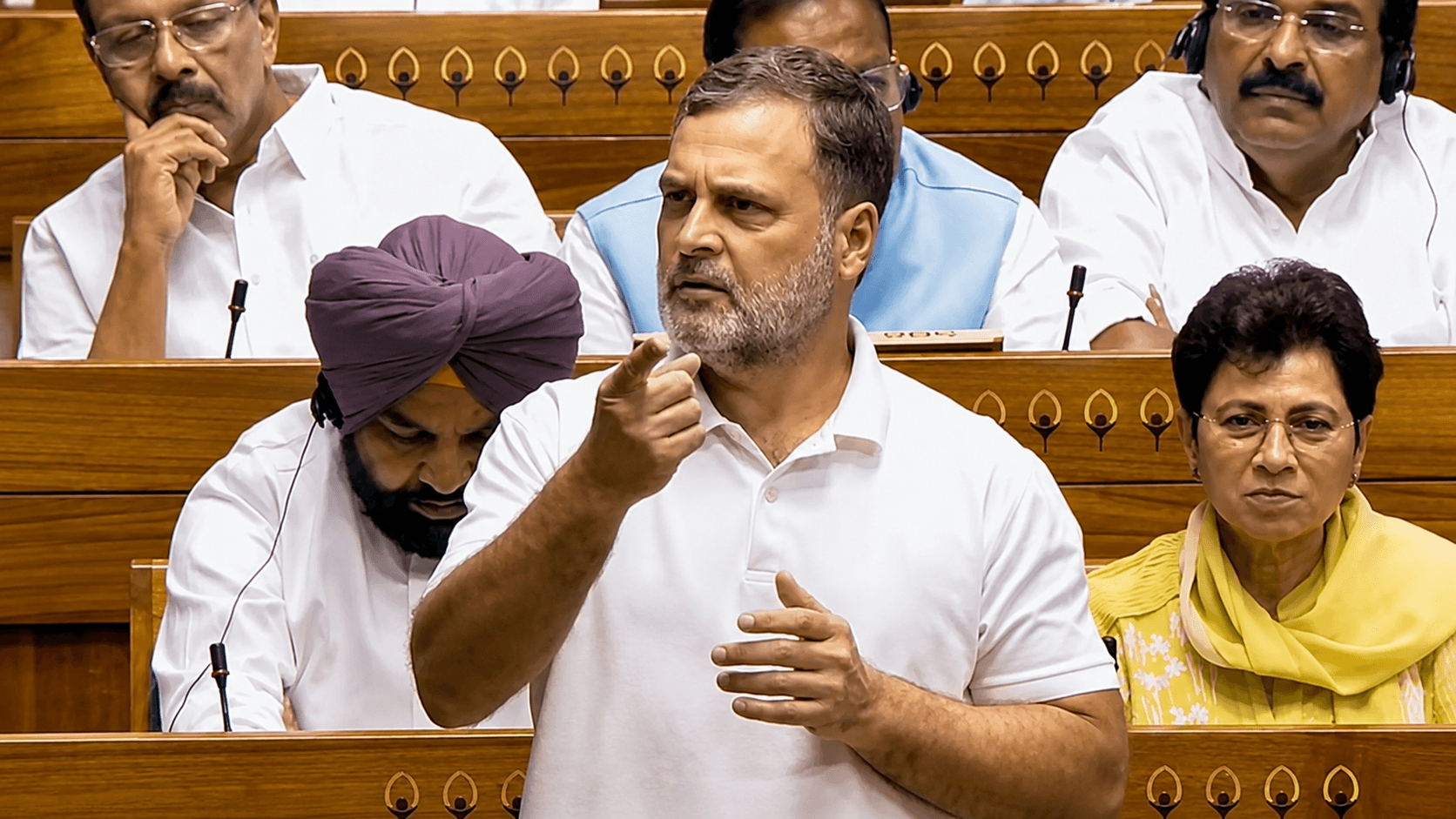
The disruption centred on Leader of the Opposition Rahul Gandhi, who directly accused Home Minister Amit Shah of ordering police to fire pellet guns at protesting students during the July 20 "Sansad Chalo" march. "He put pellets into the blood of our students. He ordered the students of India to be shot," Gandhi told the House, adding that authorisation to use force in such situations "can only be authorised by the Minister or the Prime Minister." The remarks triggered an immediate reaction from the Treasury benches: Parliamentary Affairs Minister Kiren Rijiju demanded Gandhi substantiate the allegation with evidence and urged Speaker Om Birla to expunge the remarks from the record, while Defence Minister Rajnath Singh joined calls for an unconditional apology before proceedings could continue. Lok Sabha Speaker Om Birla reminded Gandhi that allegations made in the House must be backed by evidence. Amid sustained sloganeering from both sides, the House was adjourned around 1:40 pm with Gandhi unable to complete his speech.
The government's rebuttal
Replying to the debate, Minister of State in the PMO Jitendra Singh — who piloted the bill through the House — rejected Gandhi's charge point by point. He said the claim reflected "a lack of understanding" of how law enforcement authorisation actually works, clarifying that the power to order police action of that kind rests with an Executive Magistrate or Sub-Divisional Magistrate at the local level, not with a Union minister. "The first and fundamental point is he should know that when no shots were fired in the first place, the question of giving an order does not arise at all," Singh said, asserting that only tear gas had been used to disperse the crowd and that "utmost restraint was exercised" to prevent casualties. Singh separately noted that 52 FIRs have been registered since the anti-paper-leak law came into force, and that paper-leak-related suicide rates have declined in recent years — part of the government's broader case that it has acted decisively on the underlying exam-integrity crisis even as it disputes the specific force allegation.
What comes next
Following the Lok Sabha's adjournment, Rijiju met Home Minister Amit Shah at Parliament House, with Commerce Minister Piyush Goyal among other senior BJP figures continuing to publicly criticise the Opposition's conduct in the aftermath. With the Bill now headed to the Rajya Sabha, and neither side showing signs of backing down from their respective positions — the government insisting no firing occurred and Gandhi's claim is unsubstantiated, the Opposition maintaining the Home Ministry bears responsibility for the July 20 crackdown — the upper House debate is likely to reopen the same fault lines rather than resolve them.