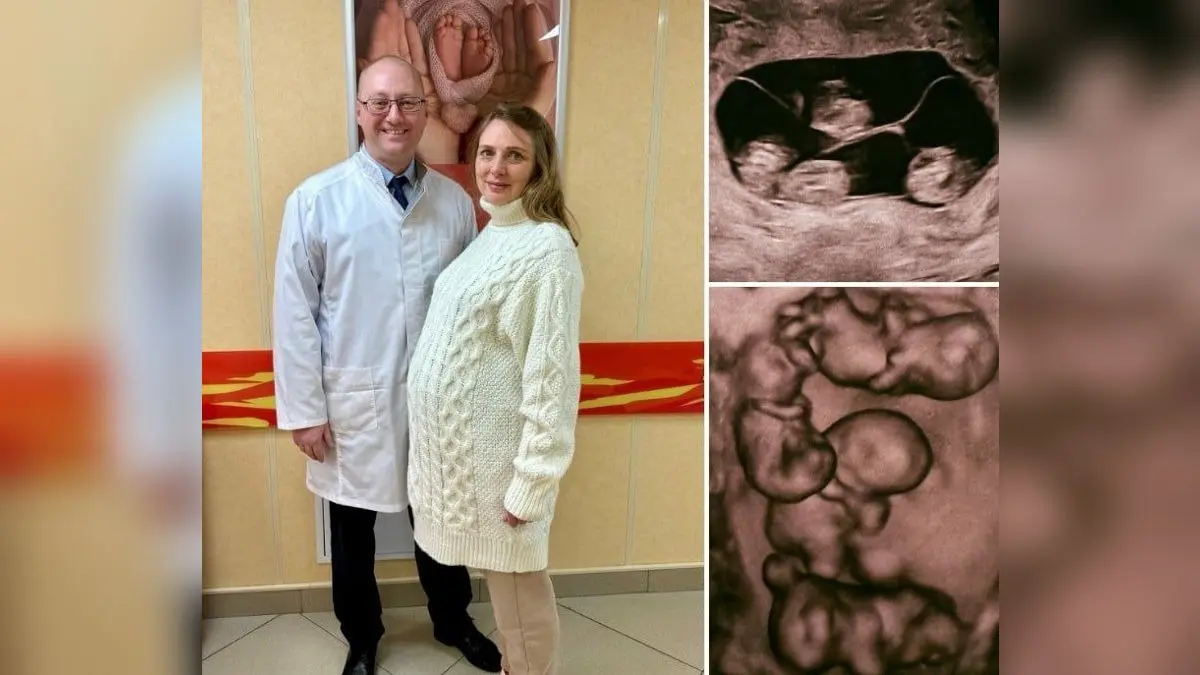
Medical Marvel in St. Petersburg: Russian Mother Defies 1-in-15 Million Odds with Identical Quadruplets
The recent birth of identical quadruplet girls in St. Petersburg, Russia, has sent shockwaves through the medical community. What makes this birth even more remarkable is that it defies the odds of 1 in 15.5 million, a phenomenon so rare that it has only occurred approximately 15 times in recorded history.
Rarity of Monochorionic Quadruplets
The birth of the quadruplets is a rare occurrence due to the fact that they are monochorionic, meaning they all developed from a single fertilized egg that split four times. This is different from most quadruplets, which result from multiple eggs, often via in vitro fertilization (IVF). Monochorionic quadruplets account for only a small percentage of all quadruplet births, and the likelihood of them occurring naturally is extremely low.
High-Risk Delivery and Specialized Care
The birth of the quadruplets required an operating room packed with specialists to manage the high-risk delivery. The babies were born weighing between 1.3kg and 1.6kg, which is significantly lower than average birth weight. The mother's high-risk pregnancy necessitated close monitoring and specialized care to ensure the health and well-being of both the mother and the babies.
Medical Background and Risks
Monochorionic quadruplets are at a higher risk for complications due to their shared placenta and blood vessels. This can lead to unequal distribution of nutrients and oxygen, putting the babies at risk for growth restriction, preterm birth, and other health issues. Additionally, the mother is at a higher risk for pregnancy-related complications, such as gestational diabetes and hypertension.
Outcome and Future Prospects
Despite the immense physical toll of a quadruple pregnancy, doctors confirm that the mother and all four daughters are currently stable and under observation. The babies are receiving close monitoring and care in the neonatal intensive care unit (NICU), where they will continue to receive treatment and support as they grow and develop. The future prospects for the quadruplet girls are uncertain, but with close monitoring and proper care, they have the potential to thrive and lead healthy lives.
Implications for Assisted Reproduction
Medical Marvel in St. Petersburg: Russian Mother Defies 1-in-15 Million Odds with Identical Quadruplets
The recent birth of identical quadruplet girls in St. Petersburg, Russia, has sent shockwaves through the medical community. What makes this birth even more remarkable is that it defies the odds of 1 in 15.5 million, a phenomenon so rare that it has only occurred approximately 15 times in recorded history.
Rarity of Monochorionic Quadruplets
The birth of the quadruplets is a rare occurrence due to the fact that they are monochorionic, meaning they all developed from a single fertilized egg that split four times. This is different from most quadruplets, which result from multiple eggs, often via in vitro fertilization (IVF). Monochorionic quadruplets account for only a small percentage of all quadruplet births, and the likelihood of them occurring naturally is extremely low.
High-Risk Delivery and Specialized Care
The birth of the quadruplets required an operating room packed with specialists to manage the high-risk delivery. The babies were born weighing between 1.3kg and 1.6kg, which is significantly lower than average birth weight. The mother's high-risk pregnancy necessitated close monitoring and specialized care to ensure the health and well-being of both the mother and the babies.
Medical Background and Risks
Monochorionic quadruplets are at a higher risk for complications due to their shared placenta and blood vessels. This can lead to unequal distribution of nutrients and oxygen, putting the babies at risk for growth restriction, preterm birth, and other health issues. Additionally, the mother is at a higher risk for pregnancy-related complications, such as gestational diabetes and hypertension.
Outcome and Future Prospects
Despite the immense physical toll of a quadruple pregnancy, doctors confirm that the mother and all four daughters are currently stable and under observation. The babies are receiving close monitoring and care in the neonatal intensive care unit (NICU), where they will continue to receive treatment and support as they grow and develop. The future prospects for the quadruplet girls are uncertain, but with close monitoring and proper care, they have the potential to thrive and lead healthy lives.
Implications for Assisted Reproduction
The birth of these quadruplets highlights the complexities and challenges of assisted reproduction, particularly in the context of IVF. While IVF has revolutionized the field of fertility treatment, it also increases the risk of multiple gestations, which can lead to a range of complications for both the mother and the babies. This case study serves as a reminder of the need for careful consideration and monitoring of multiple gestations, even in the context of assisted reproduction.
Conclusion
The birth of the quadruplet girls in St. Petersburg is a rare and remarkable event that has captured the attention of the medical community. While the challenges and risks associated with monochorionic quadruplets are significant, the mother and the babies are receiving the care and support they need to thrive. This case study serves as a reminder of the complexities and uncertainties of human reproduction and the importance of close monitoring and specialized care in managing high-risk pregnancies.