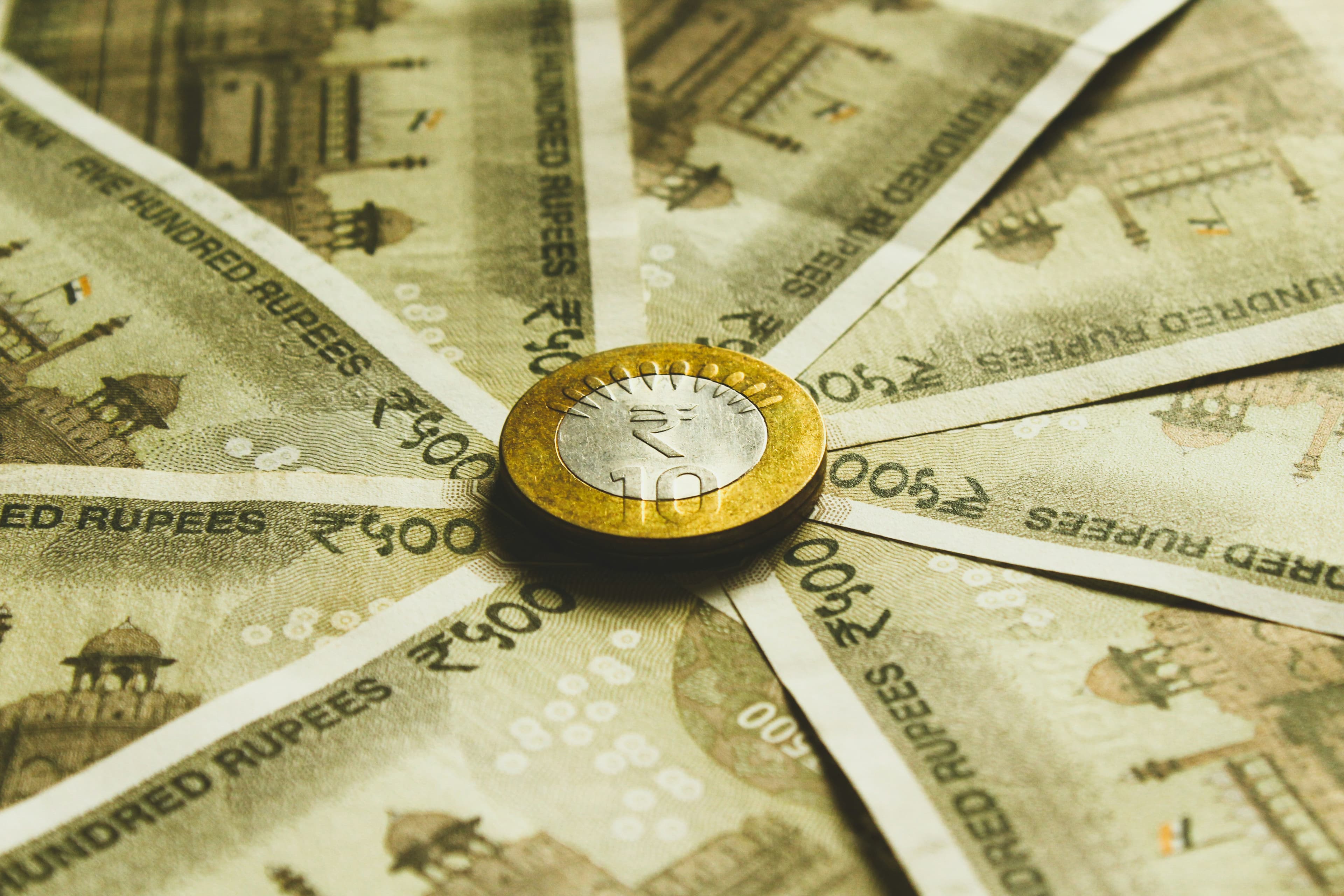
The Indian rupee opened the trading session on a modestly stronger footing, nudging up to 95.64 per U.S. dollar – a rise of seven paise that reflected a blend of market optimism and caution. While the lift hinted at renewed confidence in the currency, the advance was quickly tempered by lingering geopolitical anxieties, notably the prospect of fresh sanctions on Iran’s oil sector and persistently high Brent crude prices. At the same time, a surge in foreign‑exchange reserves added a layer of resilience, underscoring the complex forces that now shape India’s external balance.
Key Context & Background
The rupee’s incremental appreciation cannot be viewed in isolation. Over the past twelve months, the currency has weathered a series of shocks – from the COVID‑19‑induced supply chain disruptions to the rapid reversal of capital flows that followed the United States’ interest‑rate hikes. More recently, the Federal Reserve’s aggressive tightening cycle has kept the dollar robust, exerting downward pressure on emerging‑market currencies, including the rupee. Yet, India’s trade deficit has narrowed, driven by a rebound in services exports and a modest recovery in merchandise exports, providing a counterbalancing force.
Geopolitically, the focus has shifted to the Middle East, where renewed sanctions on Iran’s oil industry threaten to tighten global supply. The United Nations and several Western nations have signaled a coordinated effort to curtail Iran’s petroleum revenues, a move that could ripple through the oil market and elevate Brent crude beyond the $85‑$90 per barrel range. For India, a net oil importer, such a scenario translates directly into higher import bills, a factor that traditionally weakens the rupee.
Market Reaction & Reserve Dynamics
Despite the headwinds, the rupee’s modest gain was buoyed by a striking uptick in foreign‑exchange reserves, which rose by over $10 billion in the latest reporting week. The Reserve Bank of India (RBI) attributed the surge to a combination of higher capital inflows, robust foreign‑direct investment (FDI) receipts, and a favourable balance of payments. This cushion has enabled the RBI to intervene selectively, dampening volatility without resorting to outright rate adjustments.
Importers, however, remain wary. The persistent demand for crude and refined products, coupled with a lag in domestic refinery capacity expansion, means that any sustained increase in oil prices could erode the rupee’s gains. Moreover, the RBI’s policy stance—maintaining a neutral bias on the policy repo rate—signals that monetary easing is unlikely in the near term, reinforcing the dollar’s appeal to investors seeking higher yields.
Broader Implications & Future Impact
If sanctions on Iran intensify, the immediate fallout could be a sharp rally in global oil prices, pressuring the rupee’s exchange rate and widening India’s trade deficit. In the medium term, higher energy costs would likely accelerate the government’s push for energy diversification, including greater emphasis on renewable capacity and strategic petroleum reserves. Such a shift could reshape the investment landscape, attracting capital to clean‑energy projects while challenging traditional oil‑focused enterprises.
On the financial‑market front, a sturdier reserve position enhances India’s credit profile, potentially lowering sovereign borrowing costs and encouraging foreign portfolio investors to maintain exposure despite a strong dollar. However, sustained price pressures on oil could spur inflationary pressures, prompting the RBI to reconsider its neutral stance if consumer price indices breach target bands. The delicate balance between maintaining currency stability and containing inflation will define policy deliberations over the next twelve to eighteen months.
Outlook for the Rupee
Analysts project that the rupee’s trajectory will hinge on three variables: the evolution of Iran‑related sanctions, the path of Brent crude, and the RBI’s reserve‑management strategy. A scenario of moderate sanctions and stable oil prices could allow the rupee to test the 95‑per‑dollar barrier, reinforcing investor confidence. Conversely, a sharp escalation in oil costs would likely reverse the modest gains, pushing the currency back toward the 96‑97 range.
In sum, the rupee’s modest climb to 95.64 reflects a momentary equilibrium between resilient foreign‑exchange reserves and the looming spectre of geopolitical risk. How that equilibrium evolves will be a bellwether for India’s broader economic health, signaling whether the nation can sustain its growth momentum amid an increasingly volatile global landscape.