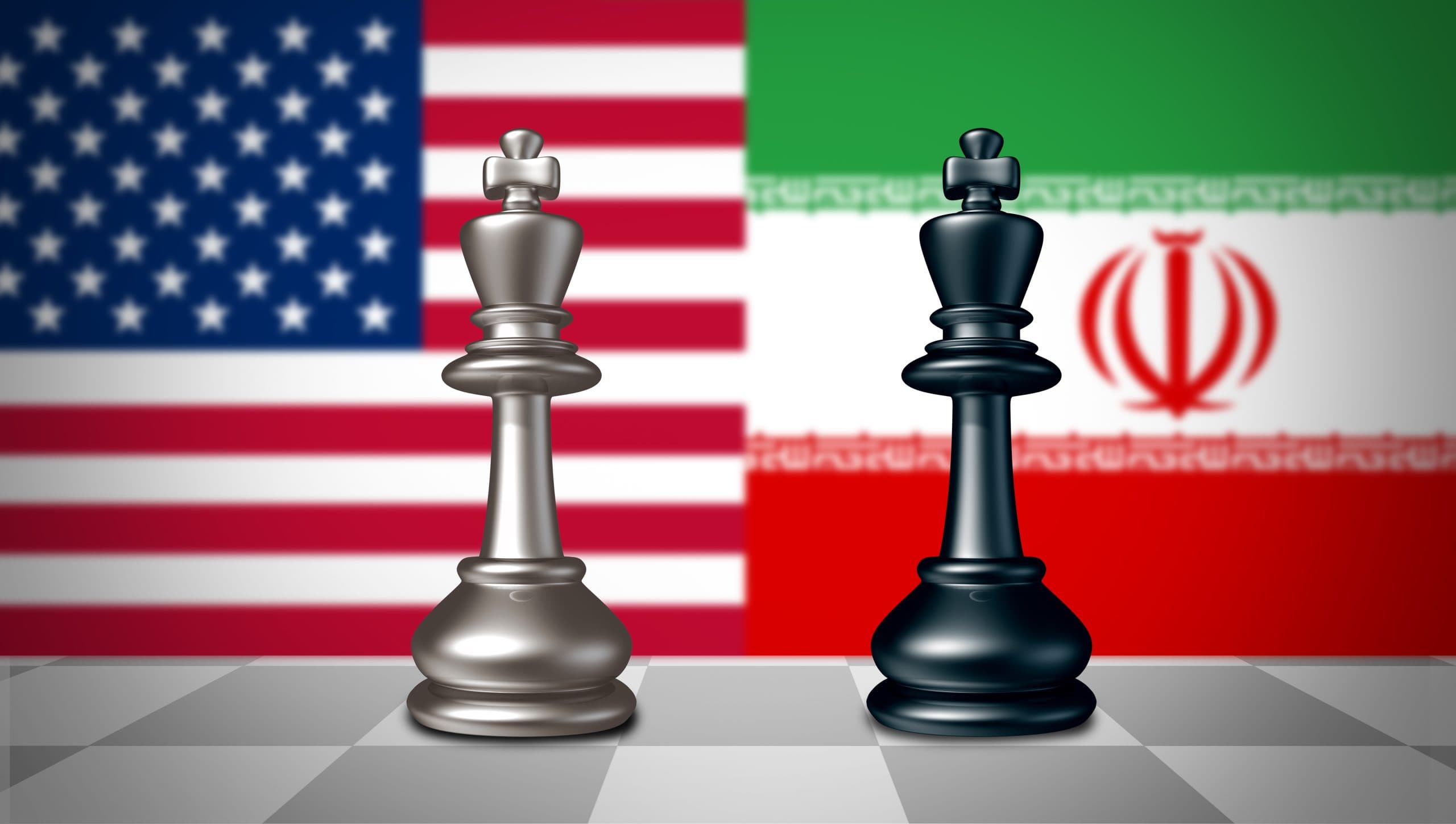
The fragile ceasefire between the United States and Iran has effectively collapsed after both countries resumed direct military operations. President Donald Trump declared the June 17 Islamabad Memorandum of Understanding "over" following renewed Iranian attacks on commercial shipping near the Strait of Hormuz and a fresh round of American airstrikes targeting Iranian military infrastructure.
The renewed fighting marks the most intense exchange of attacks since the February–June 2026 conflict, significantly raising tensions across the Middle East and placing several Gulf nations at the centre of the confrontation.
Escalation of Military Operations
Overnight into July 12, the United States reportedly struck approximately 140 Iranian military targets, following an earlier wave that targeted around 170 sites. Washington described the operations as a response to Iranian attacks on international shipping and continued threats against American personnel and regional allies.
Iran responded with multiple waves of missile and drone attacks directed at US-linked military facilities throughout the Gulf region, signalling that the ceasefire had effectively ended.
Iran's Strikes Across the Gulf
According to Iranian military statements, the Islamic Revolutionary Guard Corps (IRGC) launched attacks targeting military installations in Kuwait, Bahrain, Qatar, Jordan, Oman and the United Arab Emirates. Iran claimed to have struck Patriot air defence systems, fuel storage facilities and other military infrastructure using large numbers of drones and missiles.
Officials in Bahrain, Kuwait, Qatar and the UAE confirmed responding to missile and drone attacks, while Jordan reported several Iranian missiles landing inside its territory without causing casualties. Air-raid sirens and emergency shelter advisories were issued across multiple Gulf capitals during the latest wave of attacks.
Some Iranian claims regarding the destruction of US military equipment, including HIMARS launchers and ATACMS missile systems, have not been independently verified by Western media or confirmed by Gulf defence ministries.
Separating Verified Facts from Viral Claims
Social media has been flooded with comparisons claiming inexpensive Iranian drones destroyed vastly more expensive American military equipment. While Iranian Shahed drones are generally estimated to cost tens of thousands of dollars and advanced Western systems cost significantly more, many viral figures circulating online are inaccurate or unsupported by publicly available defence data.
Independent defence analysts note that infrastructure damage caused by the conflict is substantial, but individual equipment loss claims from either side remain difficult to verify while military operations continue.
Regional Response
Governments across the Gulf strongly condemned the attacks. Kuwait described the strikes as a serious violation of its sovereignty and warned that continued military escalation threatens regional stability and ongoing diplomatic efforts. Bahrain and the United Arab Emirates issued similar statements while reaffirming their commitment to protecting national security.
Kuwaiti officials also reiterated that the country had not allowed its territory to be used for offensive military operations against Iran, despite hosting American military forces.
Global Impact
The renewed conflict has already affected international energy markets. Brent crude prices climbed nearly four percent as investors reacted to growing concerns over the security of shipping routes through the Strait of Hormuz, one of the world's most strategically important oil transit corridors.
The escalation has also complicated diplomatic efforts involving Oman and prompted concern from countries including Pakistan, which has previously played a mediating role between Washington and Tehran.
The crisis comes shortly after funeral ceremonies for Iran's former Supreme Leader, Ayatollah Ali Khamenei, adding further political uncertainty as Iran's new leadership under Mojtaba Khamenei confronts both internal transition and external military pressure.
Current Situation
As of July 13, 2026, there is no indication that either the United States or Iran intends to de-escalate. US Central Command (CENTCOM) has stated that American forces remain prepared for further operations, while Iran has continued warning of additional retaliation if attacks persist.
Given the rapidly changing nature of the conflict and the volume of competing claims from all sides, casualty figures, damage assessments and reports regarding destroyed military equipment should be treated as provisional until independently verified by official government sources and major international news agencies.